Murano
Murano
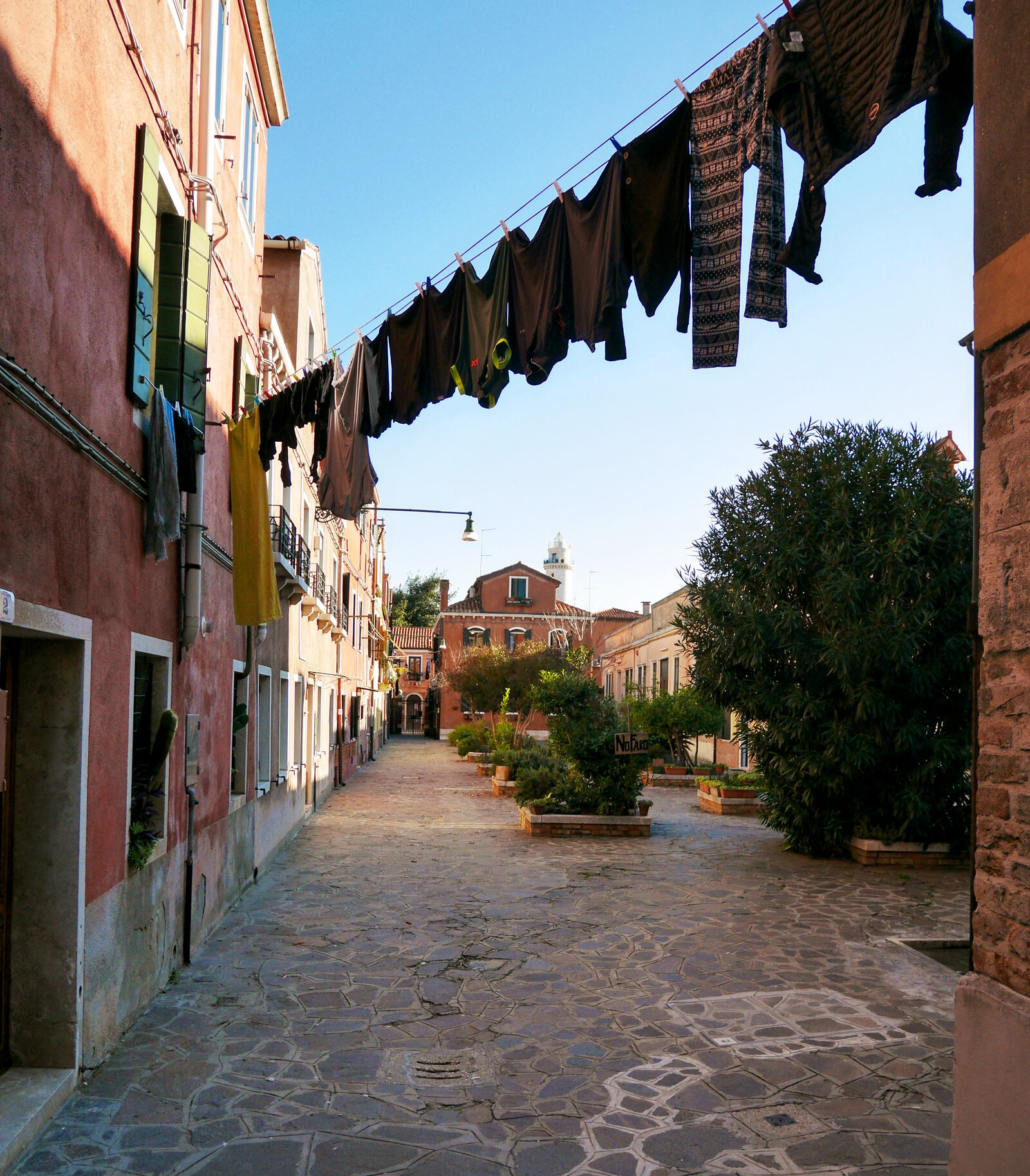
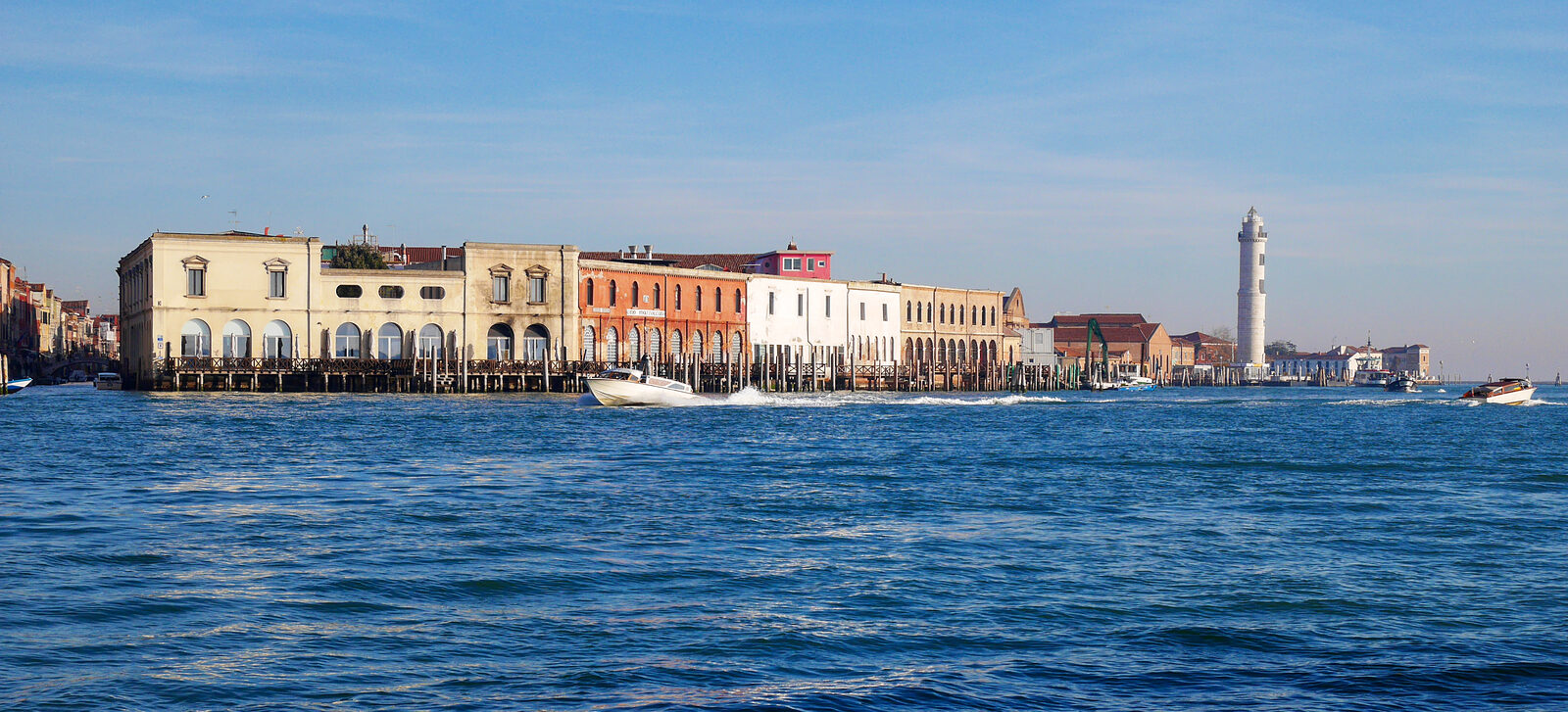
Island of glassmaking
Island famous for centuries of Venetian glass craftsmanship and artisan tradition.
What makes this place special
Murano's fascinating history
In 1291, the Venetian Republic mandated that all glassmakers relocate their furnaces to Murano. This crucial decision both mitigated the risk of catastrophic fires in wooden Venice and effectively confined the highly exclusive glassmaking industry to the island. So vital was this craft that glassmakers faced the death penalty for leaving Murano without official permission.
Glass shopping
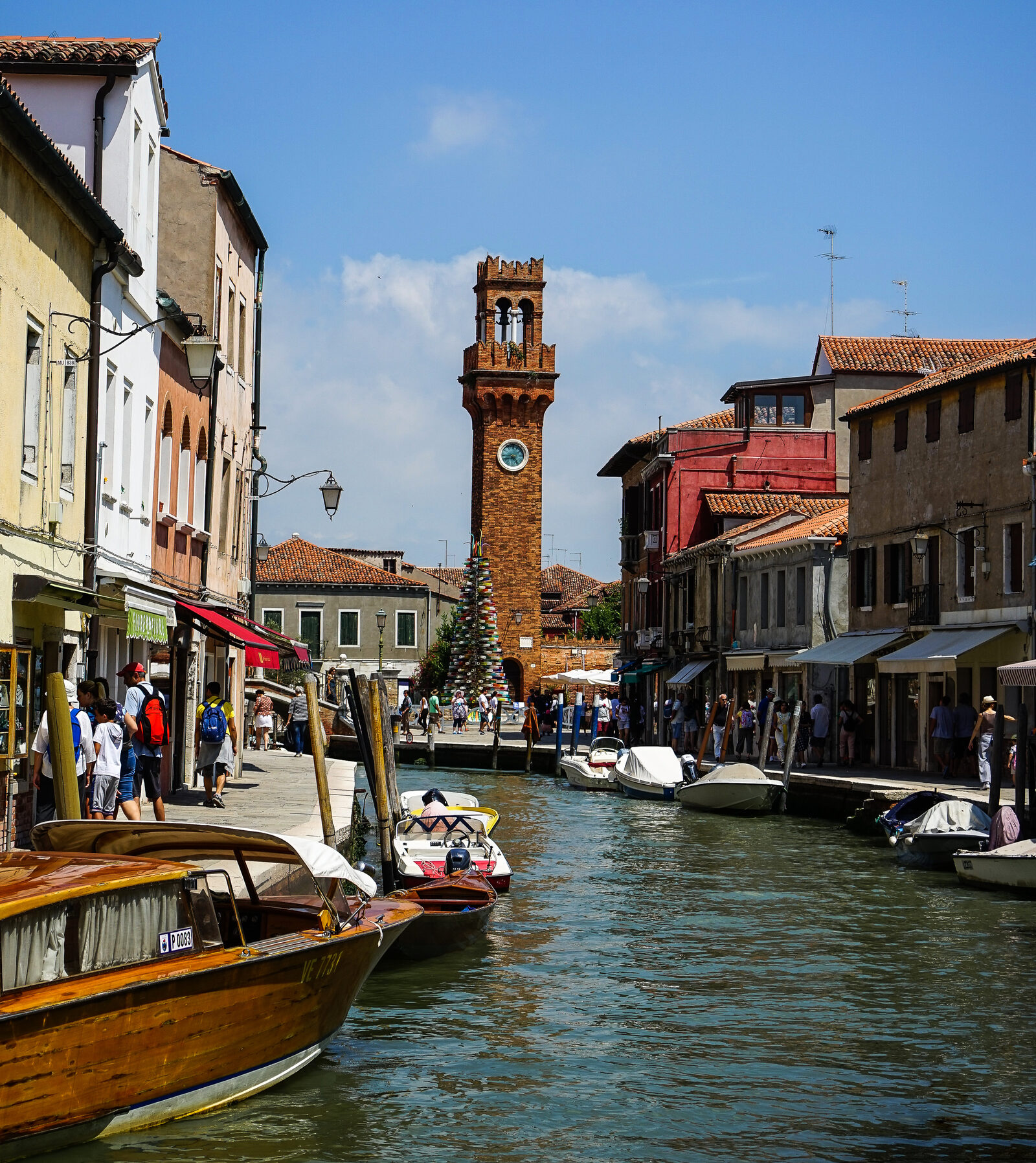
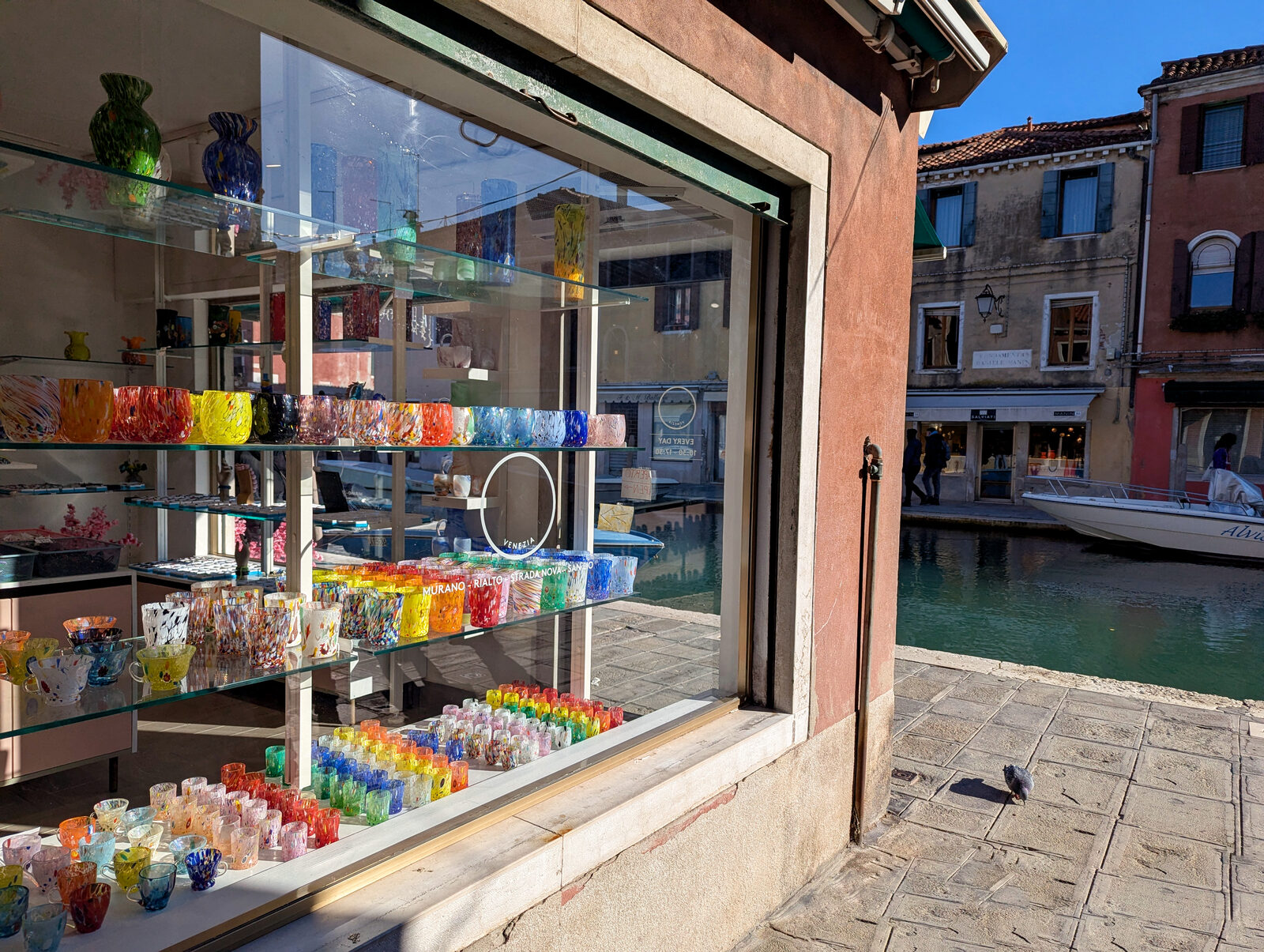
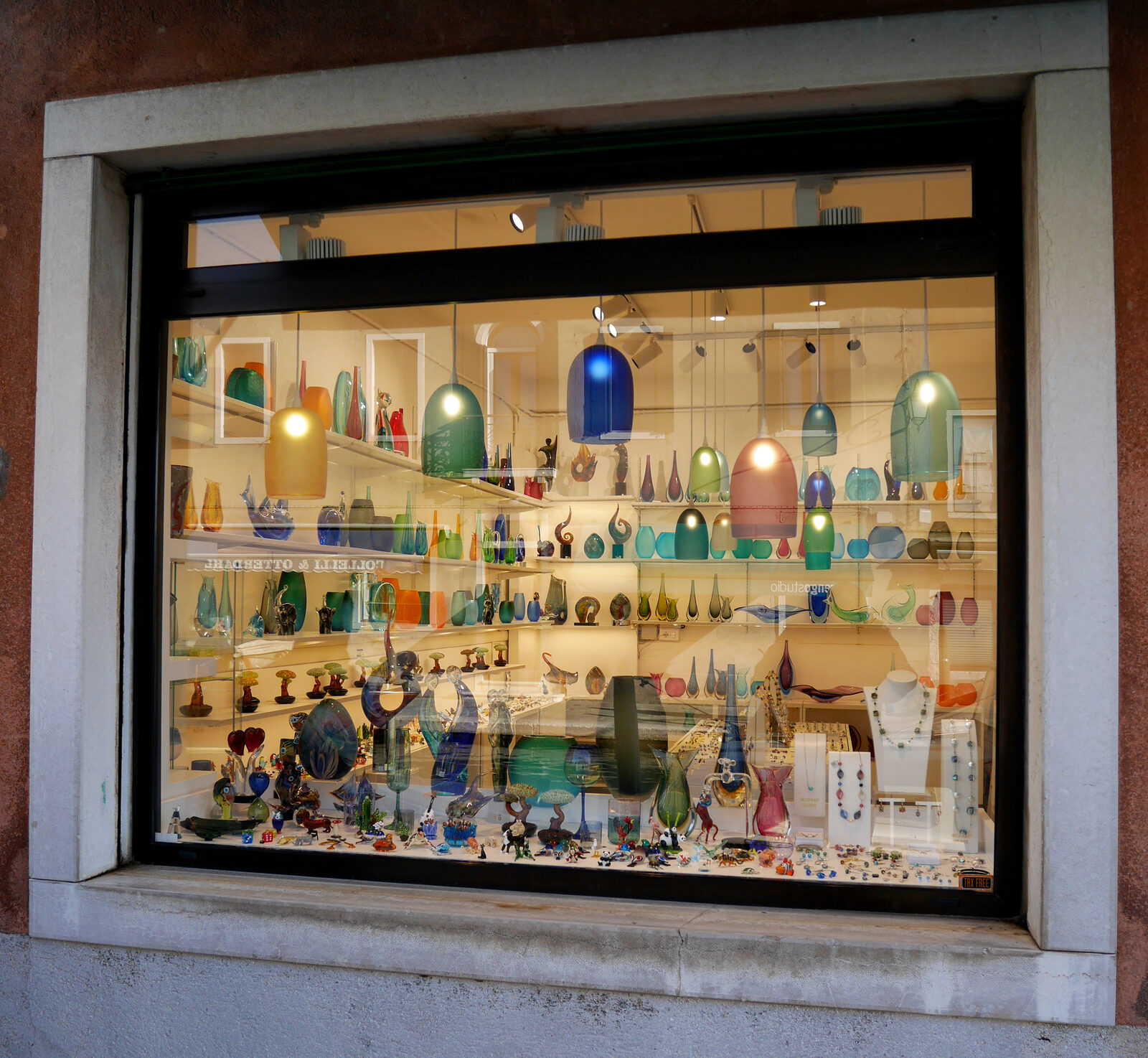
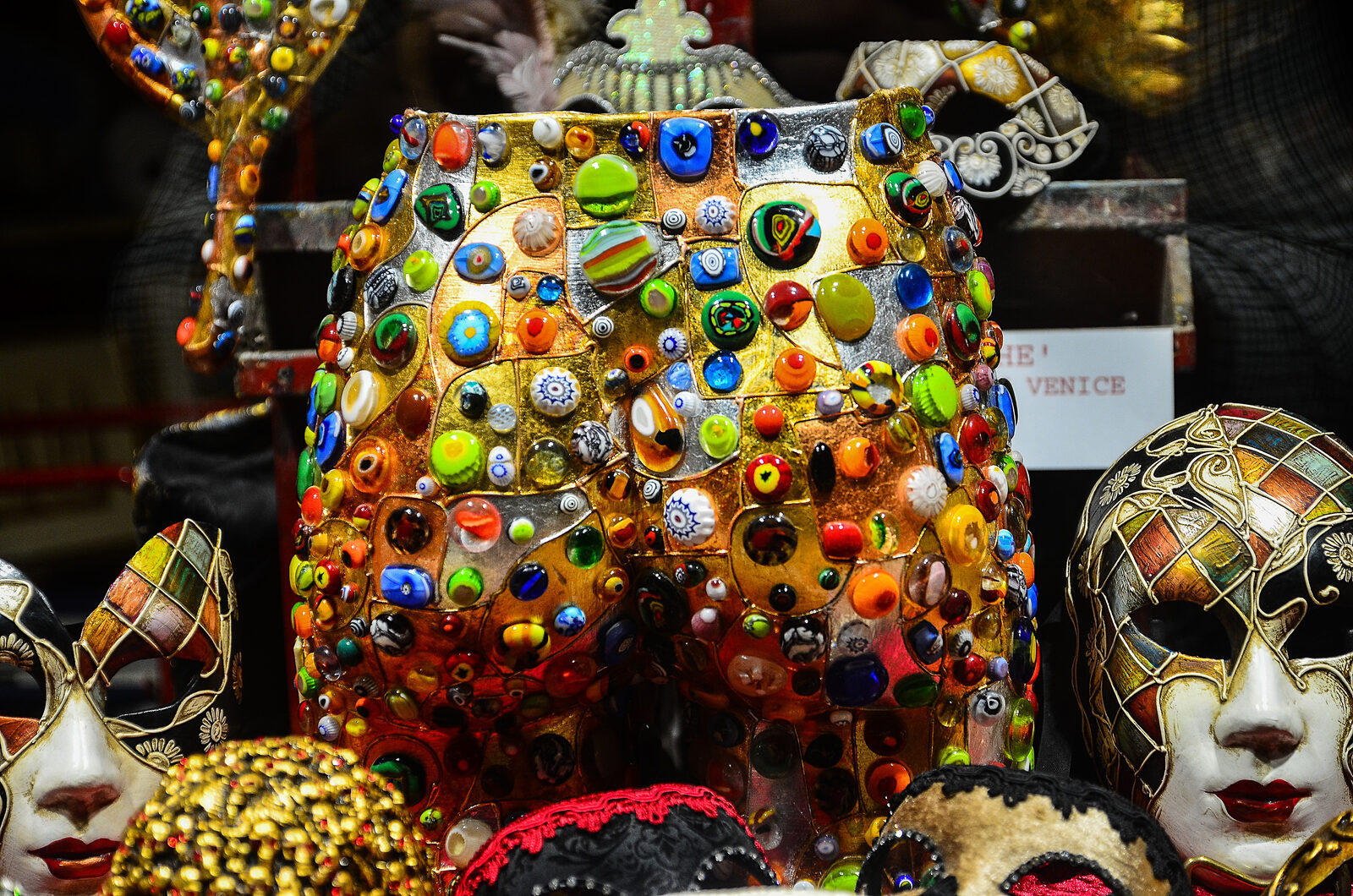
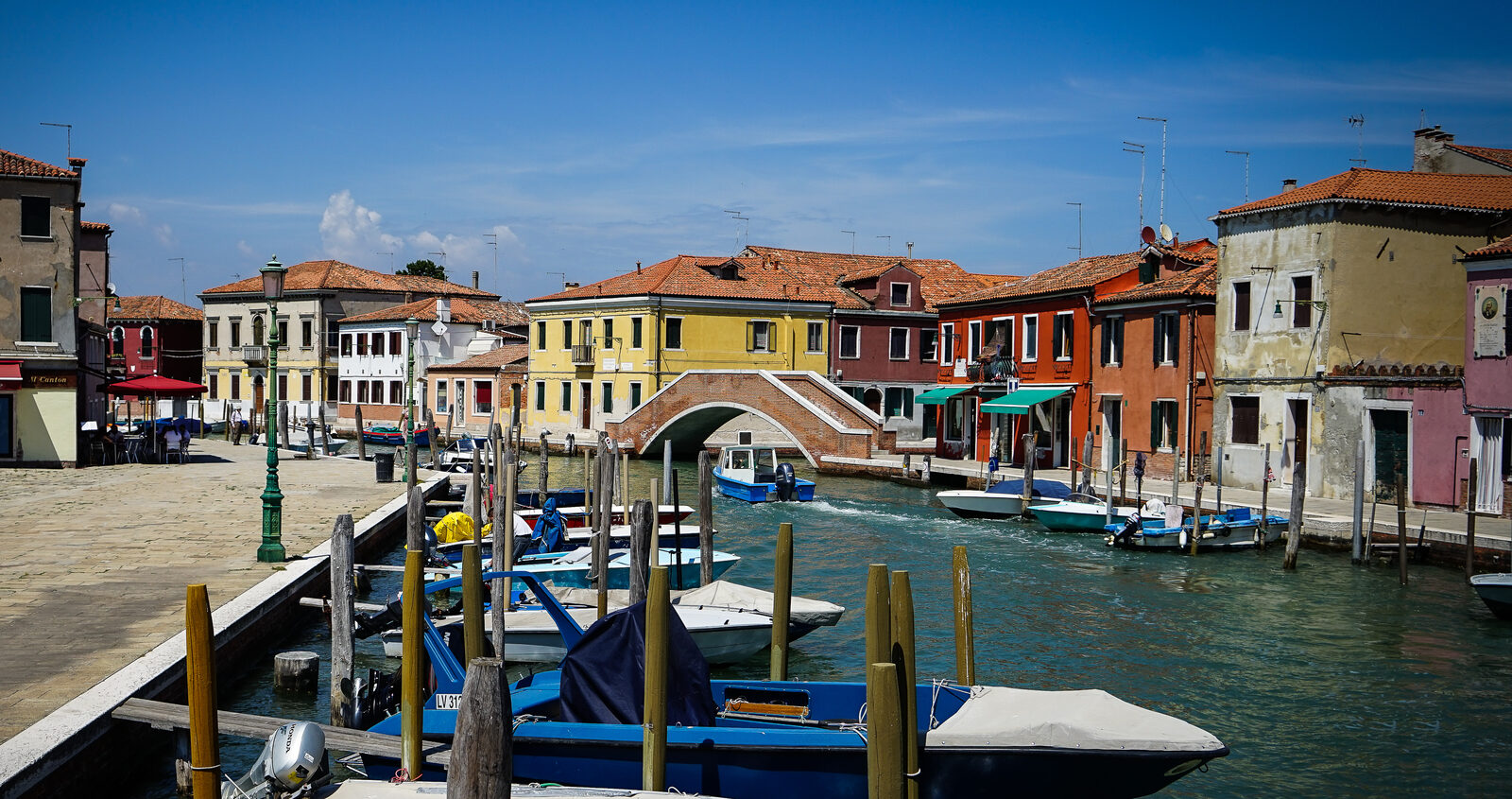
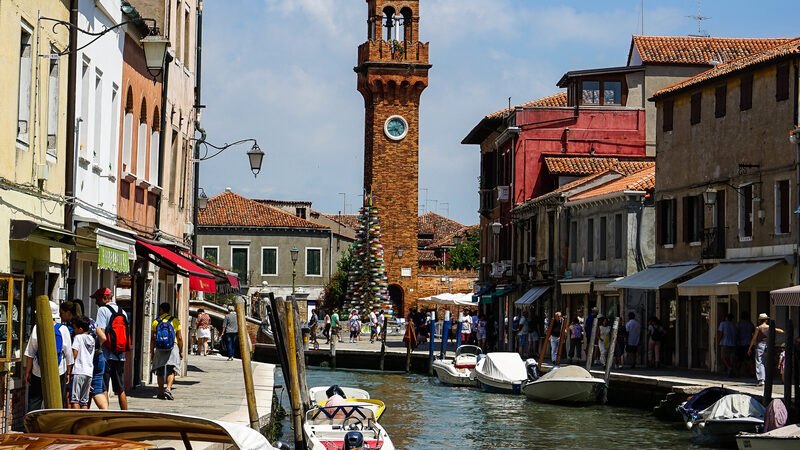
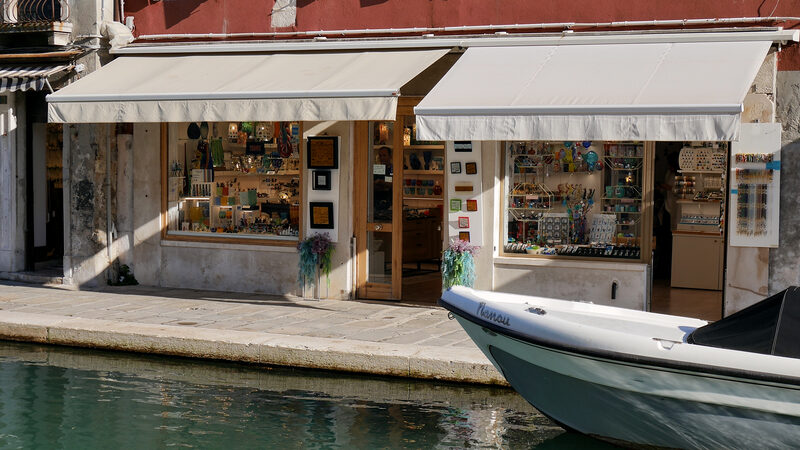
Today, lively canals like Rio dei Vetrai are lined with artisan glass workshops and souvenir shops. Not only can you browse and buy a wide range of creations, often directly from the makers, but you can also craft your very own glass piece by taking a class.
History of glass
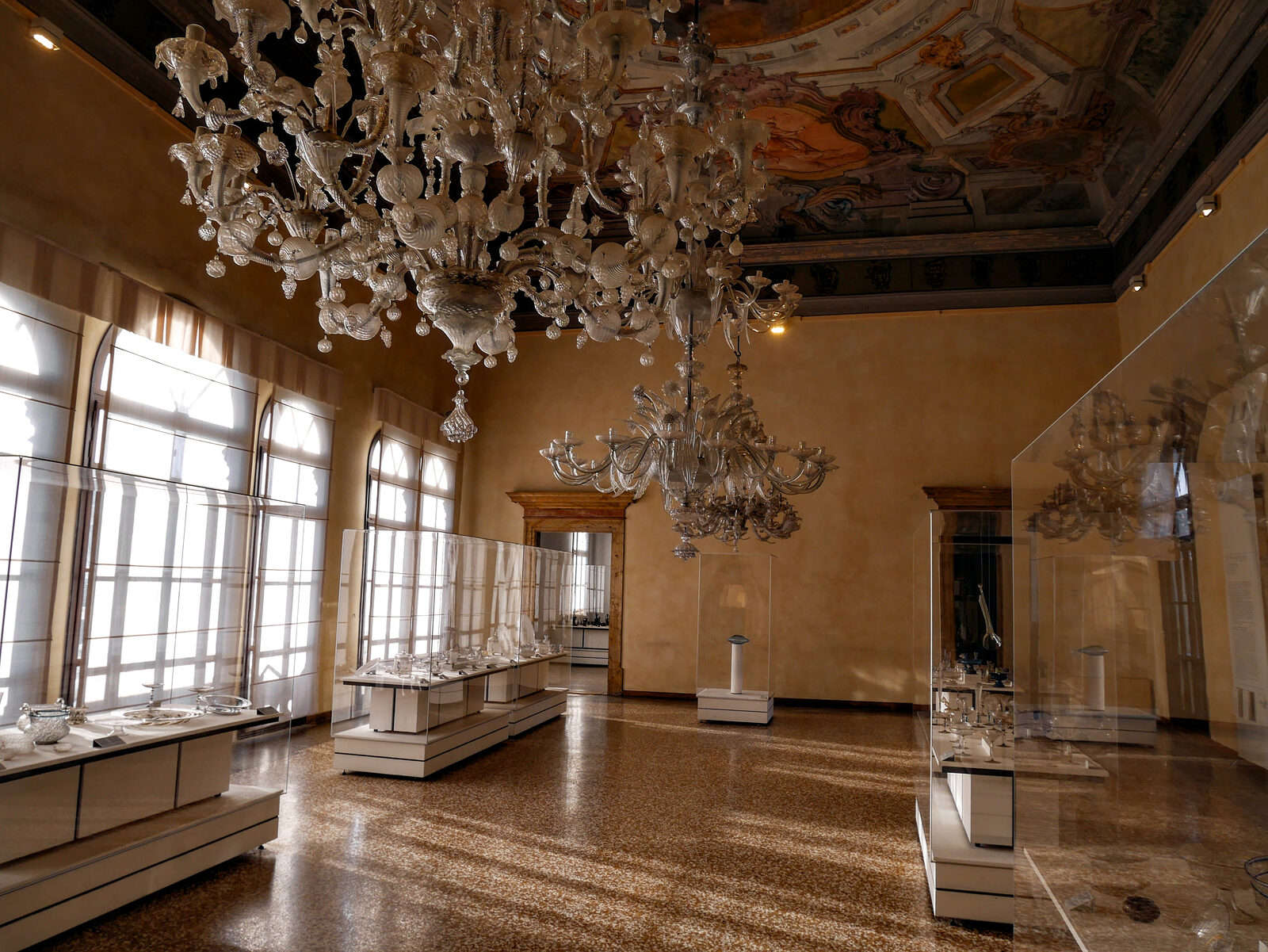
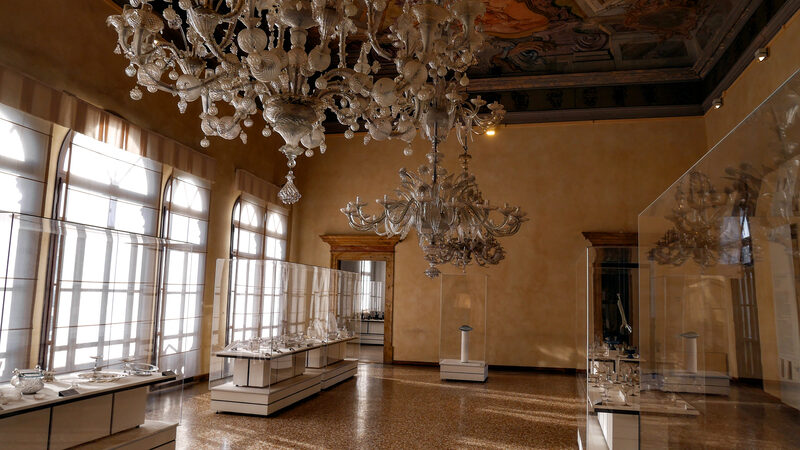
Beyond the glass workshops, Murano's glassmaking heritage unfolds at the Glass Museum, where the world's largest collection traces centuries of artistry and decorative innovation.
Live glassblowing demos
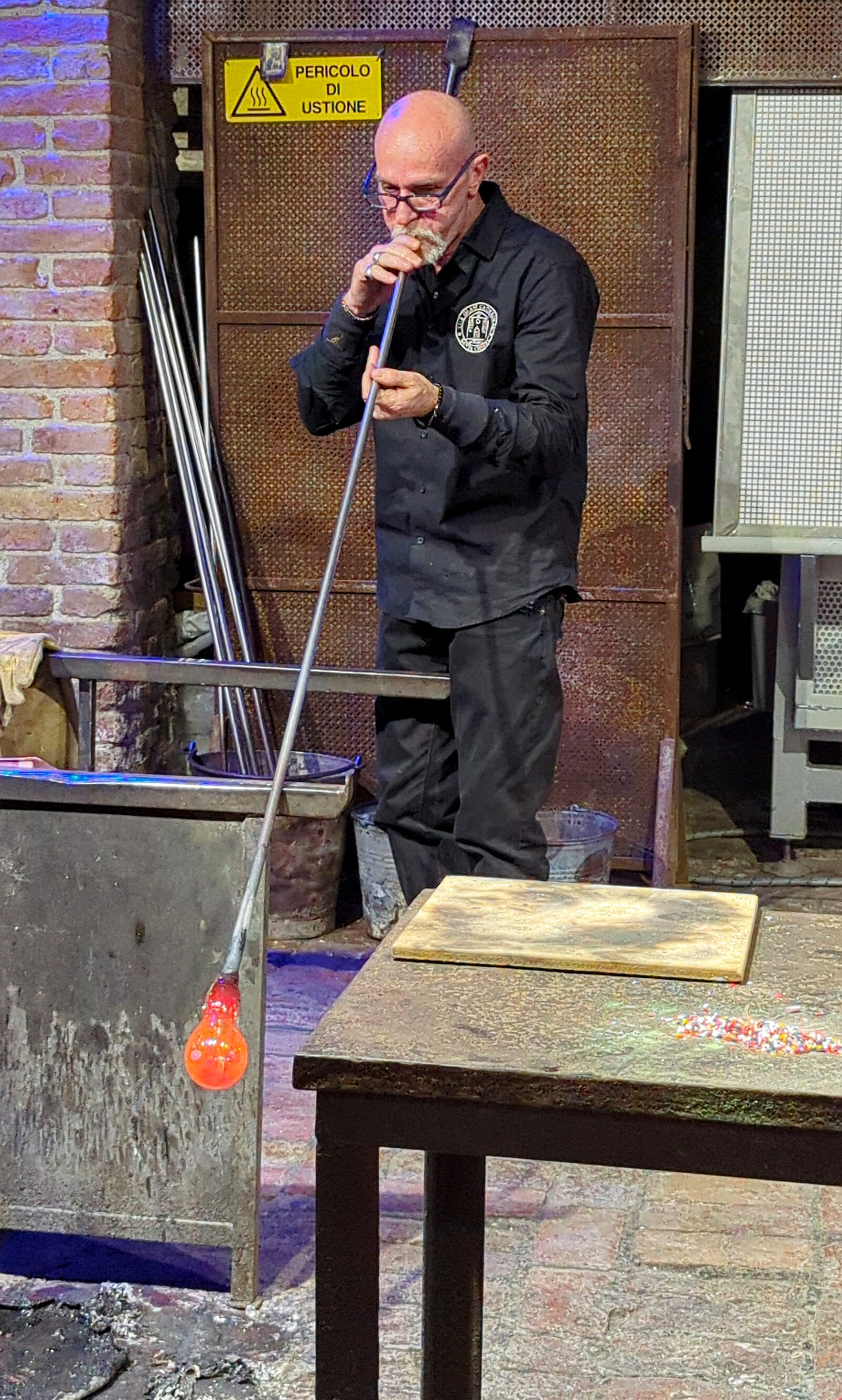
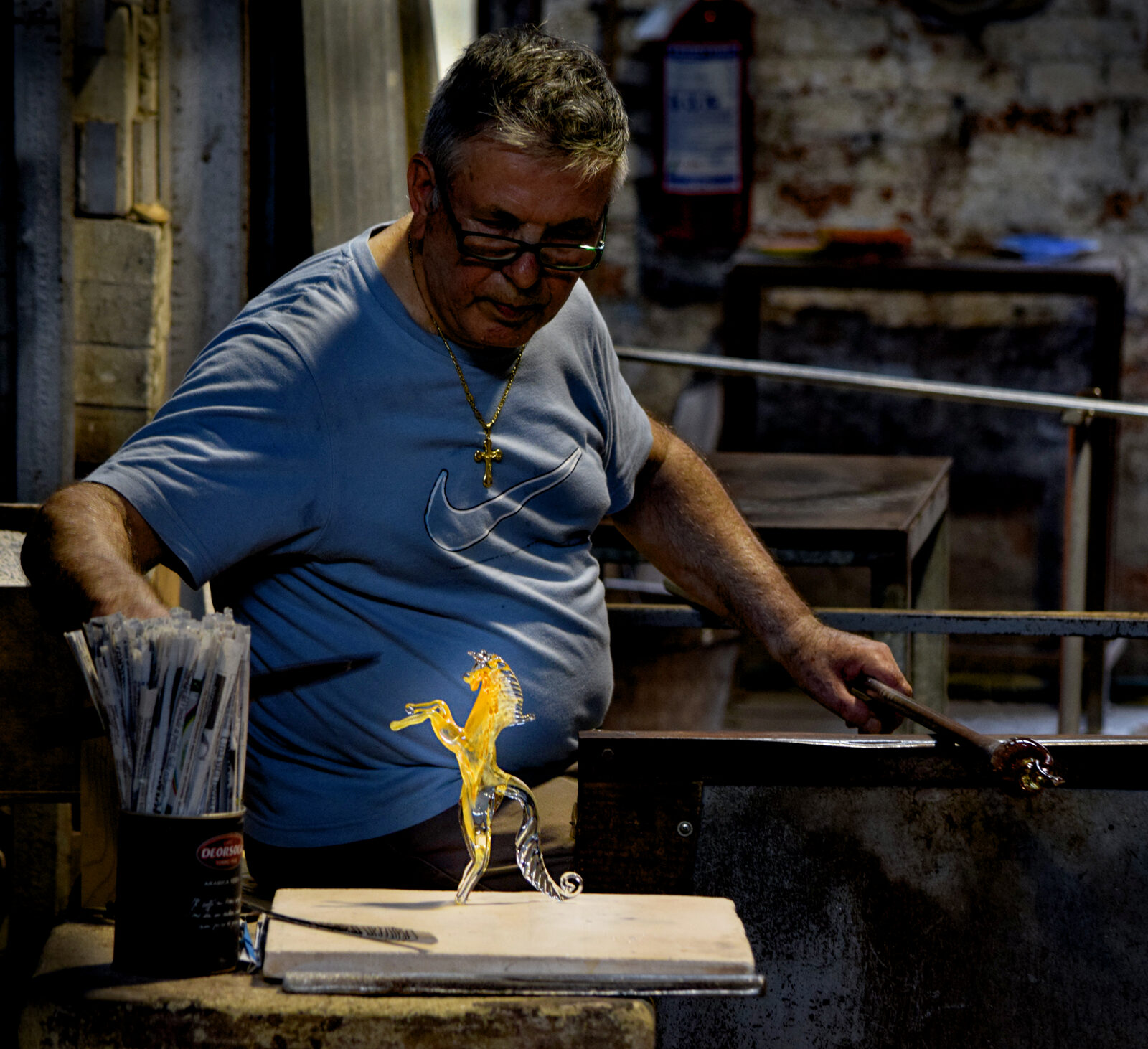
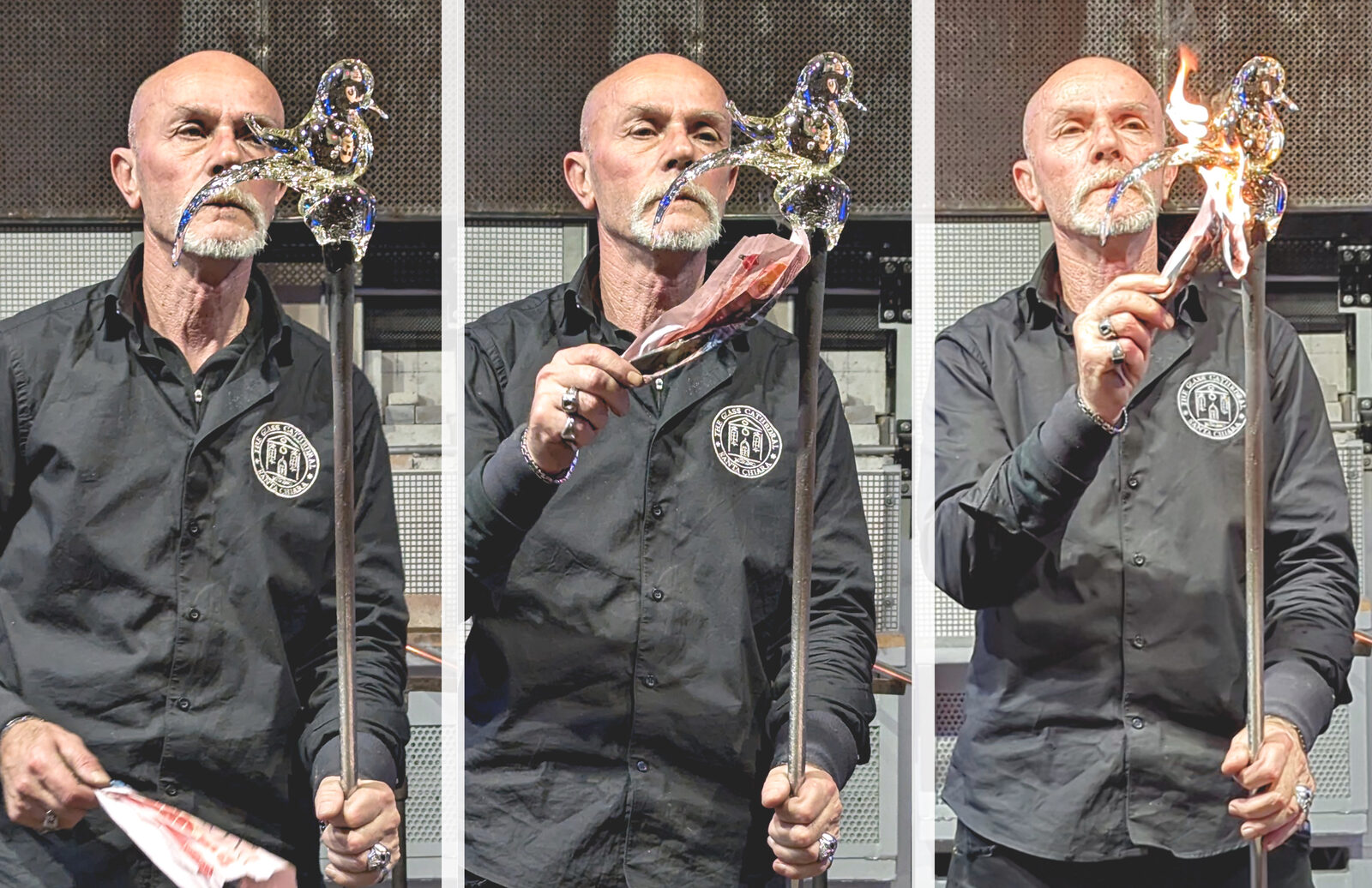
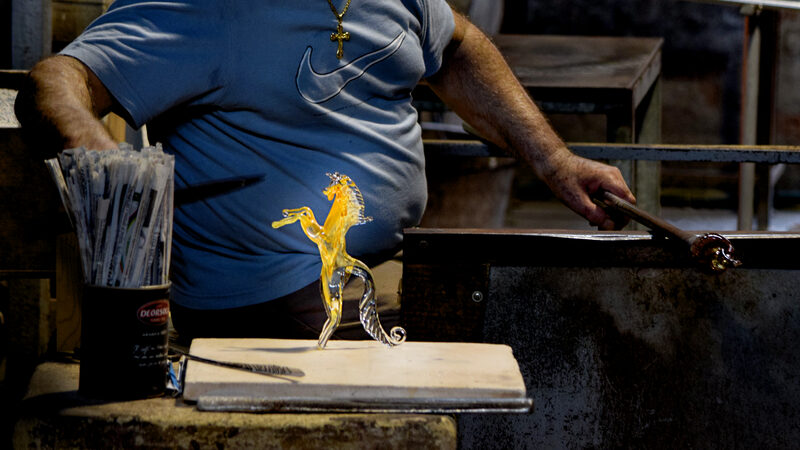
Watch the magic unfold as master artisans transform molten glass into beautiful creations right before your eyes, in workshops across the island.
Discover more about Murano through 18 photos with explanations.
Open galleryWhat to experience here
- Discover centuries of glassmaking tradition in a living artisan hub.
- Watch master glassblowers at work, or even try it yourself with a glassmaking class.
- Shop for authentic Murano glass right at the source.
- Unravel the history of glass from Roman times to today at Glass Museum.
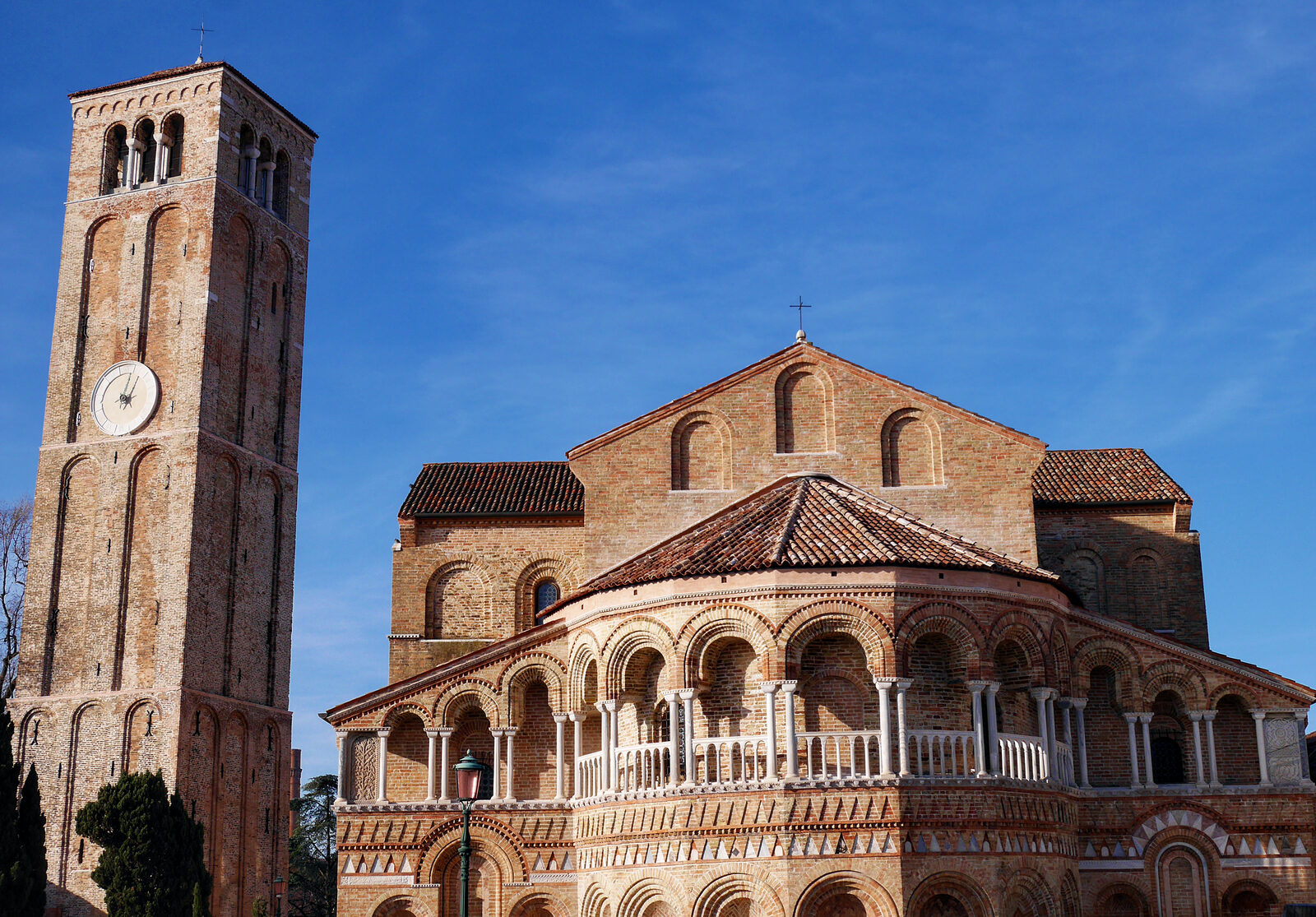
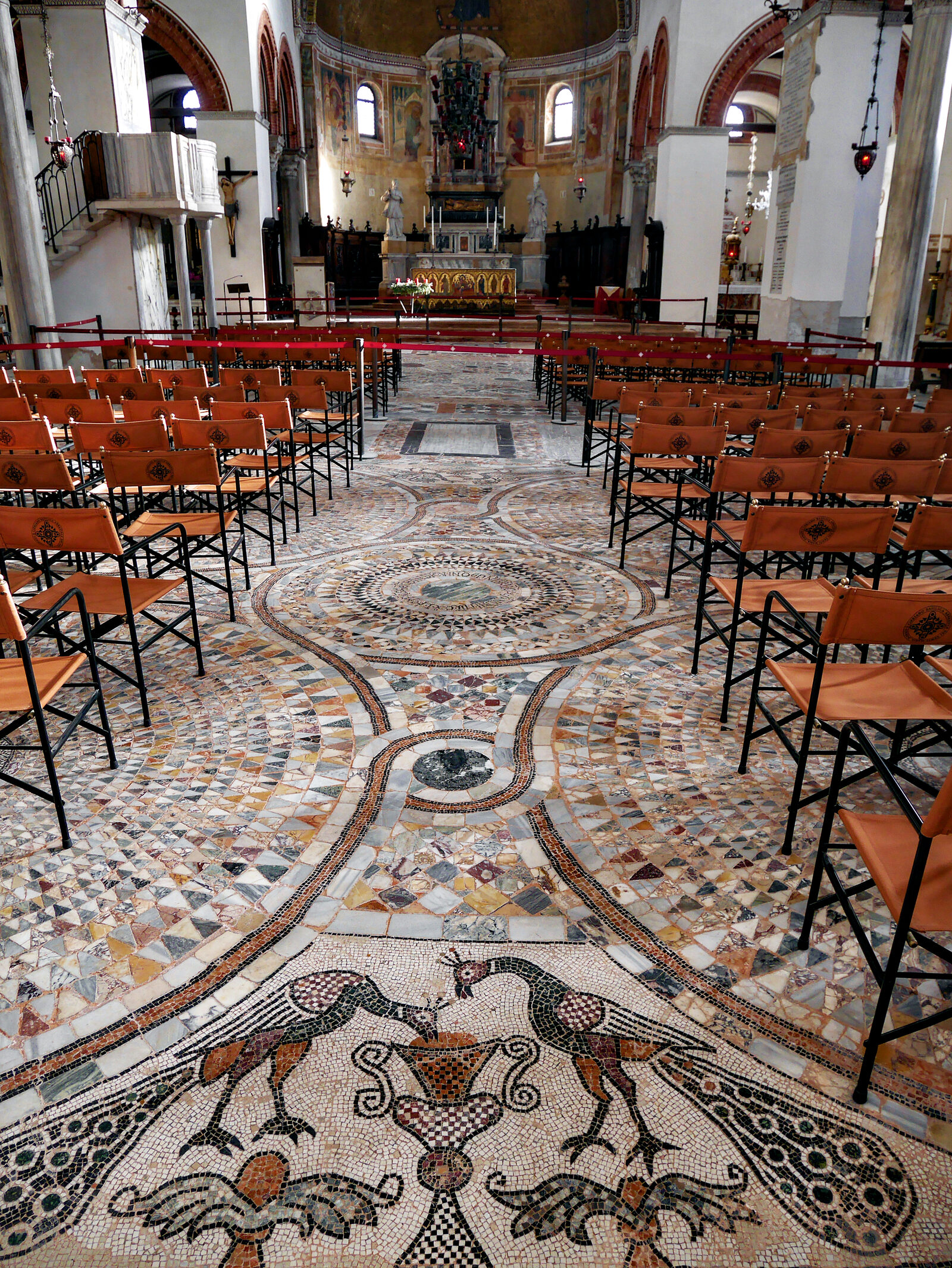
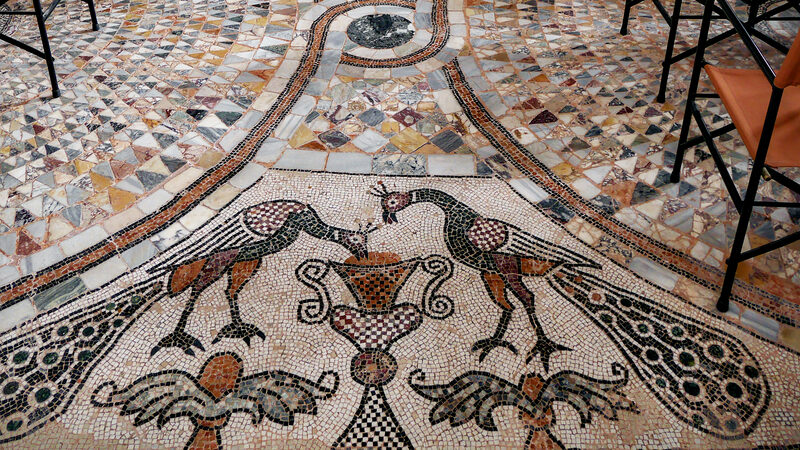
- Walk across the ancient mosaic floor of Santi Maria e Donato and look for the giant bones linked to a dragon-slaying legend.
Getting to Murano
Opt for the public vaporetto or join a speedboat tour that connects to other iconic islands in the lagoon such as Burano, or even splurge on a private water taxi - let's break down each option next.
Take the vaporetto
Want to explore at your own pace? Then hop on a water bus to the Murano Colonna, Faro or Museo stops.
Several vaporetto lines serve the island, with lines 4.1 and 4.2 from Venice's Fondamente Nove being both the fastest and most frequent options, taking about 10 minutes and running roughly every 10 minutes.
Other options include line 3 from Venice Train Station or the seasonal line 7 from St. Mark's Square.
Just a heads-up: waterbuses can get crowded at peak times, especially on the return from Murano to Venice.
Join an express boat tour
Short on time but still want to see the other islands too - not just Murano?
Then opt for a half-day express boat tour, which often includes a complimentary glassblowing demonstration in Murano along with visits to Burano and even Torcello.
To cover so many destinations in such a short time, these tours allow just enough time at each stop to give you a quick sense of the place, which is typically around one hour per island.
If this is what you're looking for (fast travel between the islands without worrying about logistics or crowded vaporettos, plus plenty of extra time to explore Venice itself) then a guided tour is a great option.
Join an exclusive water taxi tour
Wish to travel in style? Then take a fast water taxi to Murano for an exclusive 3-hour experience, exploring the island with a knowledgeable guide and enjoying a captivating glassblowing demonstration.
It's the best way to give Murano the attention it deserves while traveling quickly and comfortably, avoiding the hurried, tourist-focused express boat trips and crowded vaporettos.
Murano's glass shops
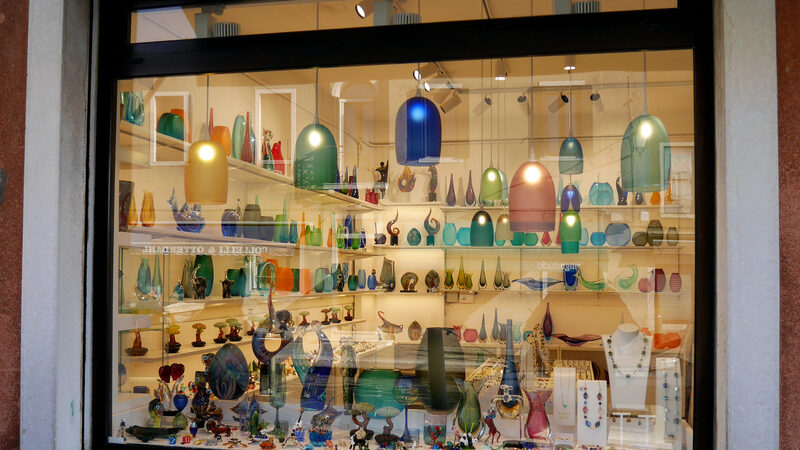
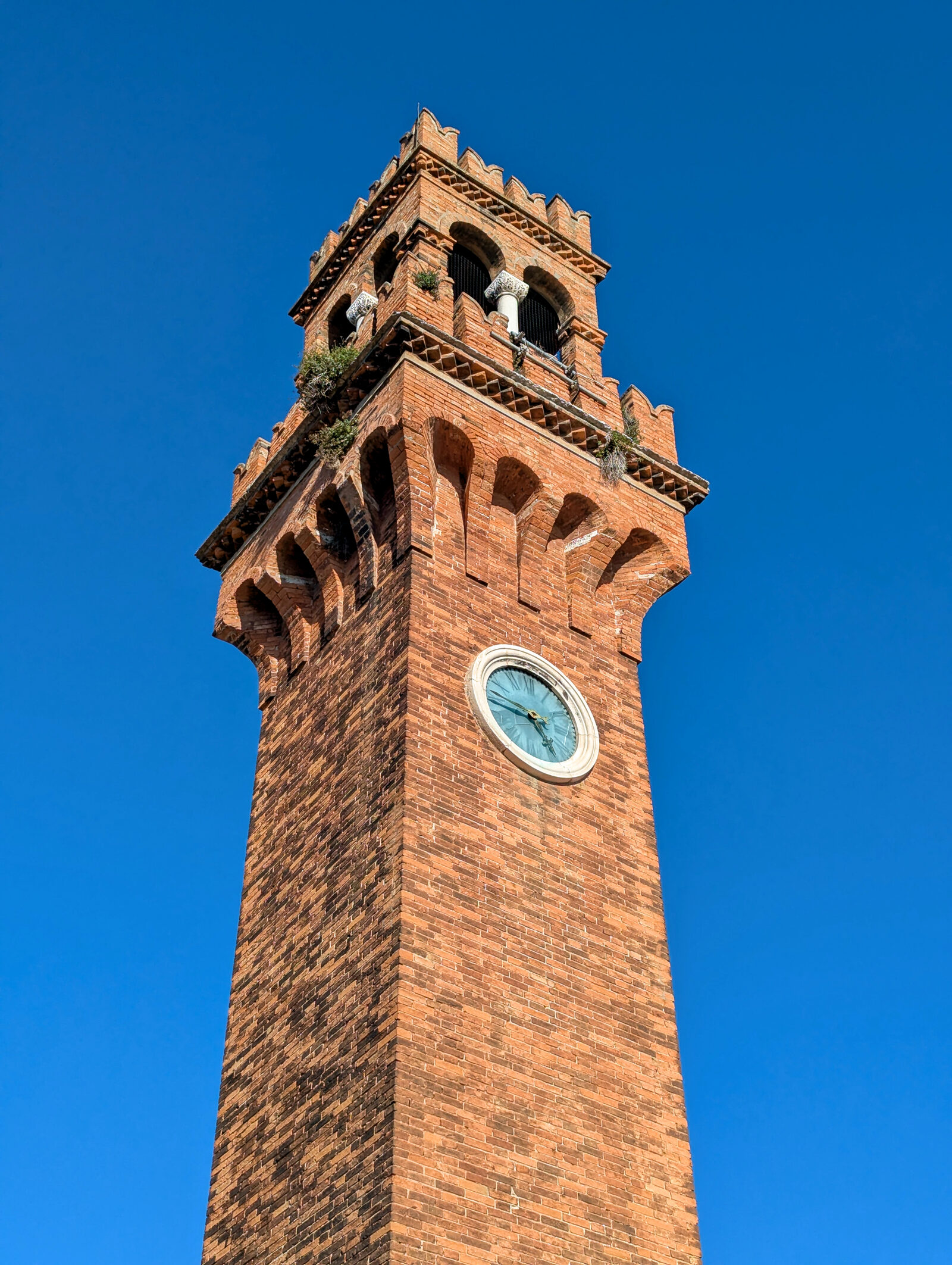
Although furnaces and workshops are spread across Murano, the highest concentration of glass shops is along Rio dei Vetrai: the canal connecting the Murano Colonna vaporetto stop to Campo Santo Stefano, the island's main square.
The shops here range from artisan studios to souvenir stores, covering all budgets: some specialize in traditional, high-end artistic pieces, while others offer more affordable souvenirs, jewelry, or contemporary designs.
It's worth browsing a few to get a sense of the variety and find what appeals to you.
Authentic Murano glass
Not all glass sold in Murano is made locally. Many items come from elsewhere in Italy, such as Tuscany, or even from overseas, including China.
This matters if you're looking to take home something truly made on the island.
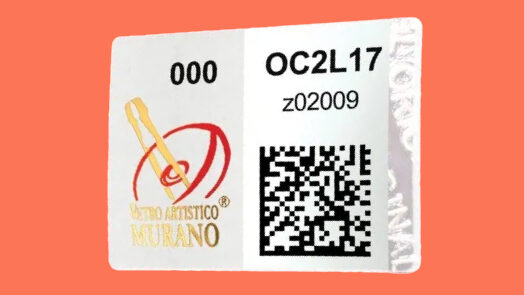
The most reliable way to identify authentic pieces is the 'Vetro Artistico Murano' seal applied to the product. This tamper-proof mark displays the official trademark and a unique producer number, certifying that the item was made on the island of Murano.
Established by Italian law in 1994, it is the only official guarantee of origin for Murano glass. With this certification, the Veneto Region ensures that the piece was crafted locally, following the traditional techniques of Murano's master glassmakers.
The official website lists authorized dealers of authentic Murano glass.
Glass experiences
Beyond the sights and shops, what unique glass experiences can you discover in Murano?
Watch a glassblowing demo
Glassblowing demonstrations are everywhere in Murano - even the boat tours include a free demonstration.
Other venues may charge a small fee, but the performance is often rushed, crowded with spectators, and usually followed by pressure to make a purchase.
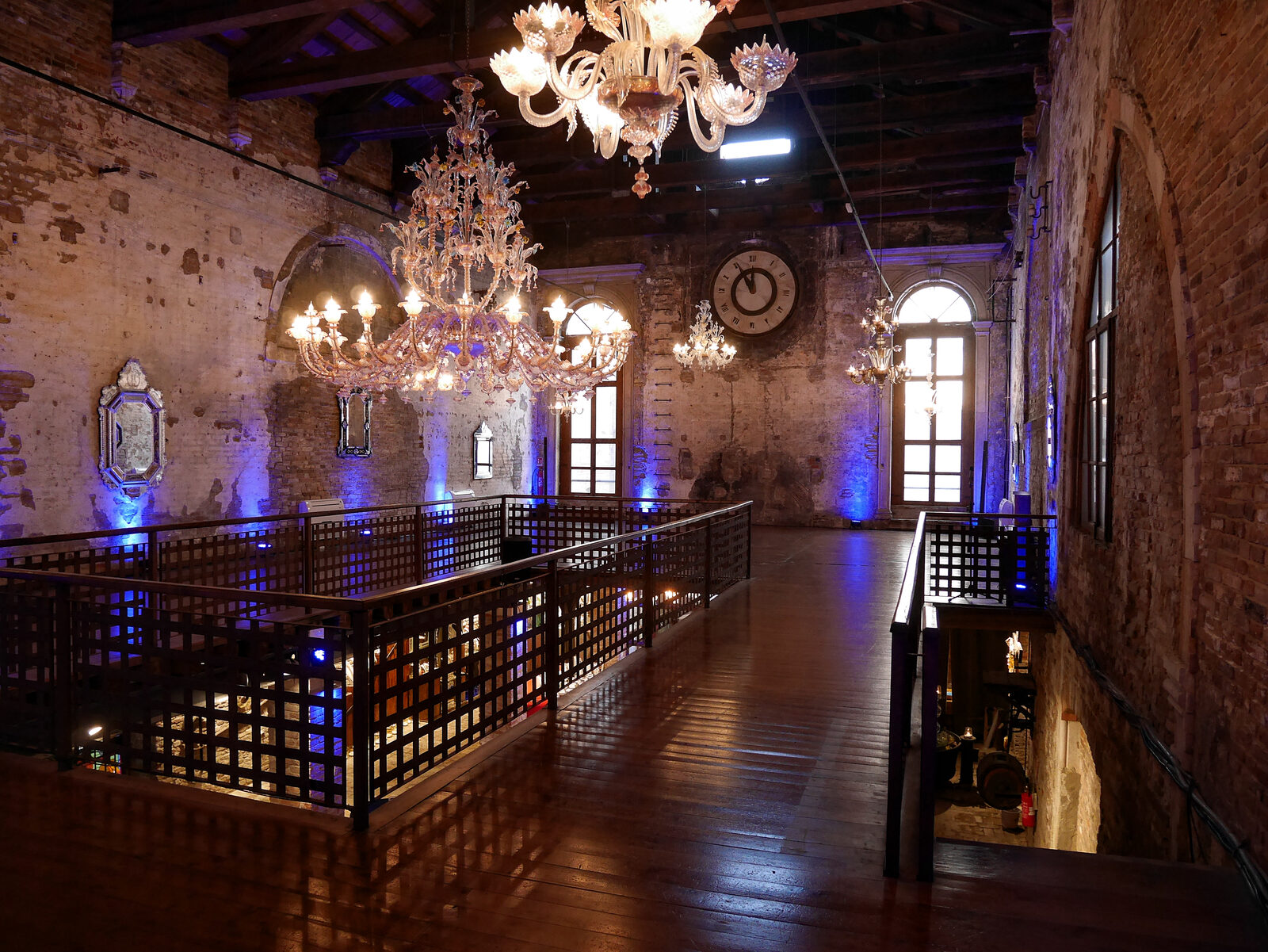
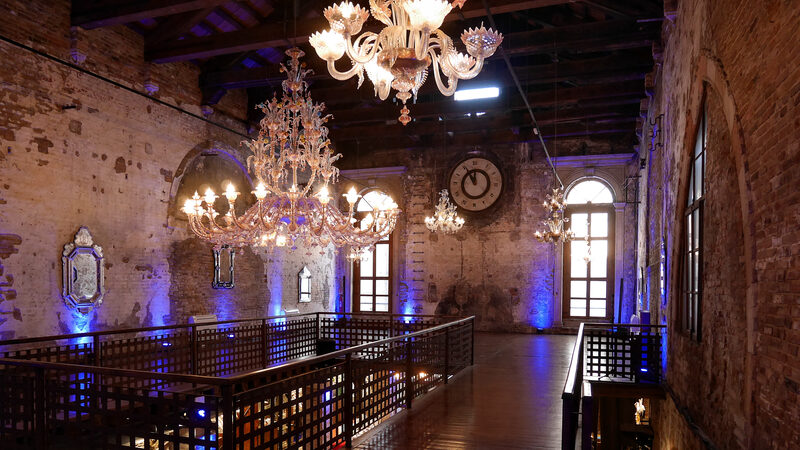
For a refined, unhurried experience in the truly unique setting of a former church, attend a demonstration at the Glass Cathedral.
Create your own glass artifact
If you'd rather jump in than just watch, get ready to be at the forefront of glassblowing and glassmaking in this 2-hour class!
You'll create your very own glass piece to take home as a one-of-a-kind souvenir, perfect to show your friends with the story: 'I made this!'
Your questions, answered
Common questions about visiting Murano, answered to help you plan your visit.
Is all glass sold in Murano made on the island?
Far from it. Many shops sell imported glass, so look for the 'Vetro Artistico Murano' seal or ask the seller to confirm the origin.
In the absence of the seal, how can I tell if a piece is handmade?
Look for small imperfections, slight asymmetries, or subtle color variations. Handmade pieces are never exactly identical. Conversely, perfectly uniform shapes usually indicate mass production.
How do I pick a good glassblowing demo?
Look for the 'Fornace' signs leading to active kilns, which you can often spot by the heat they emit. Avoid shops offering 'free demos' on the sidewalk, as these are often followed by high-pressure sales pitches. Be sure to ask about the demo's duration and how many pieces will be created. The best demos are where a master is actually working on a commissioned piece rather than a generic item, so it's worth asking about as well.
What else to see here
While visiting Murano, don't miss these highlights:
More places like this
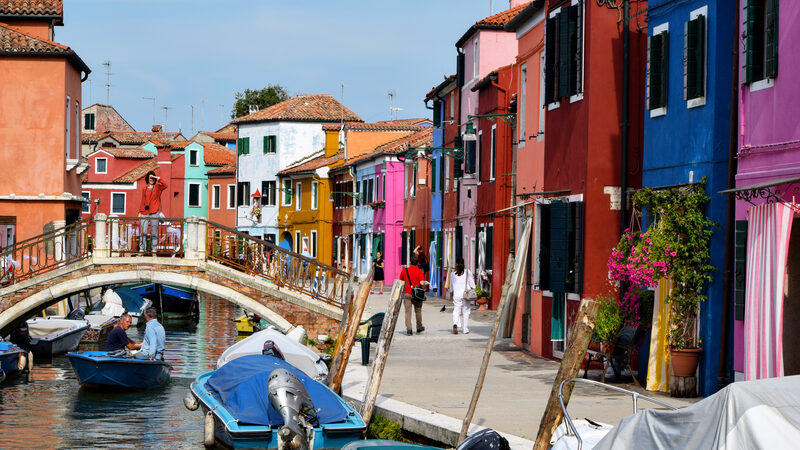
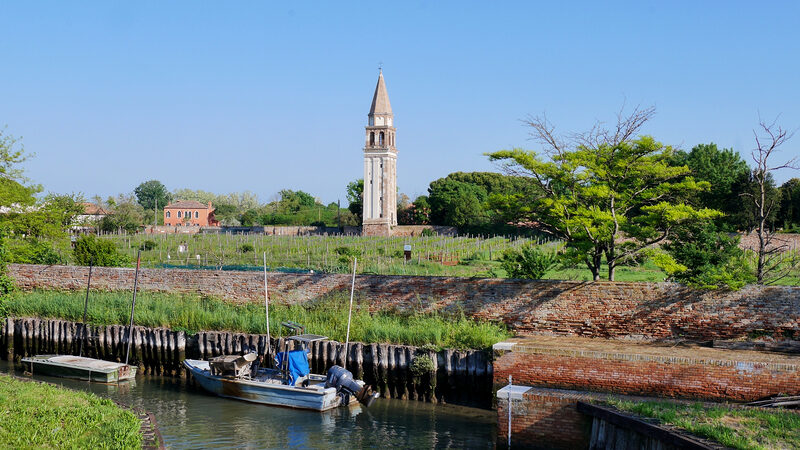
Inspired by Murano? Discover more islands in the Venetian lagoon:
And more of the iconic sights found on every Venice must-see list: