Dorsoduro
Santa Maria della Salute
A monument to Venice's triumph over the plague
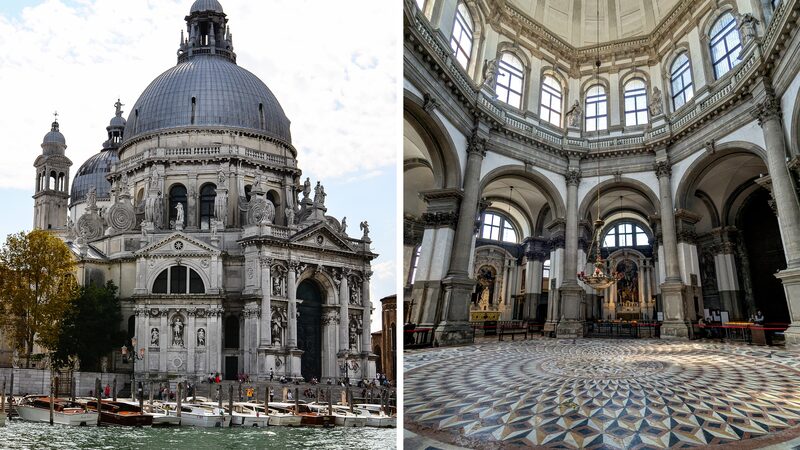
Striking Baroque votive church with a distinctive octagonal design and panoramic views over the entrance to the Grand Canal from its dome.
Salute
basilicasalutevenezia.it
Admission to the church is free. Optional tickets let you admire masterpieces in the Sacristy or enjoy panoramic views from La Cupola.
Additional resources
What makes this place special
Built to end the plague for good
The devastating bubonic plague of 1630–31 was the last in a long series of outbreaks to hit Venice. As before, the city turned to faith, vowing to build a grand church dedicated to Our Lady of Health if the epidemic finally came to an end. When the plague finally subsided, Venice fulfilled its vow with the construction of La Salute.
A colossal dome
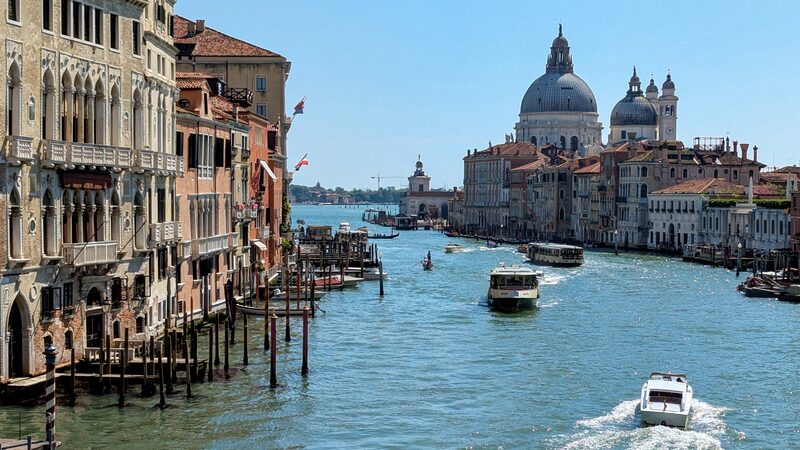
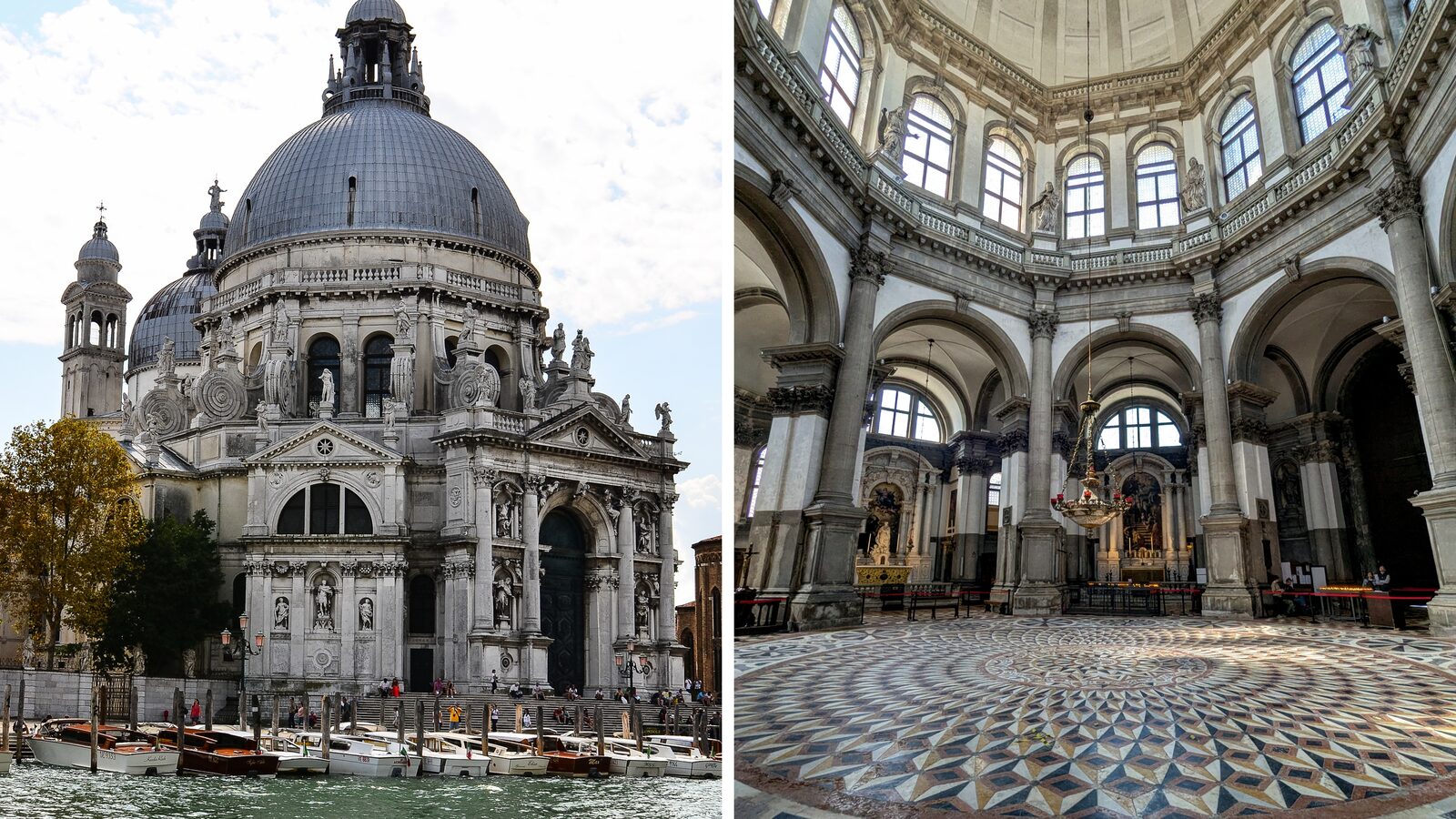
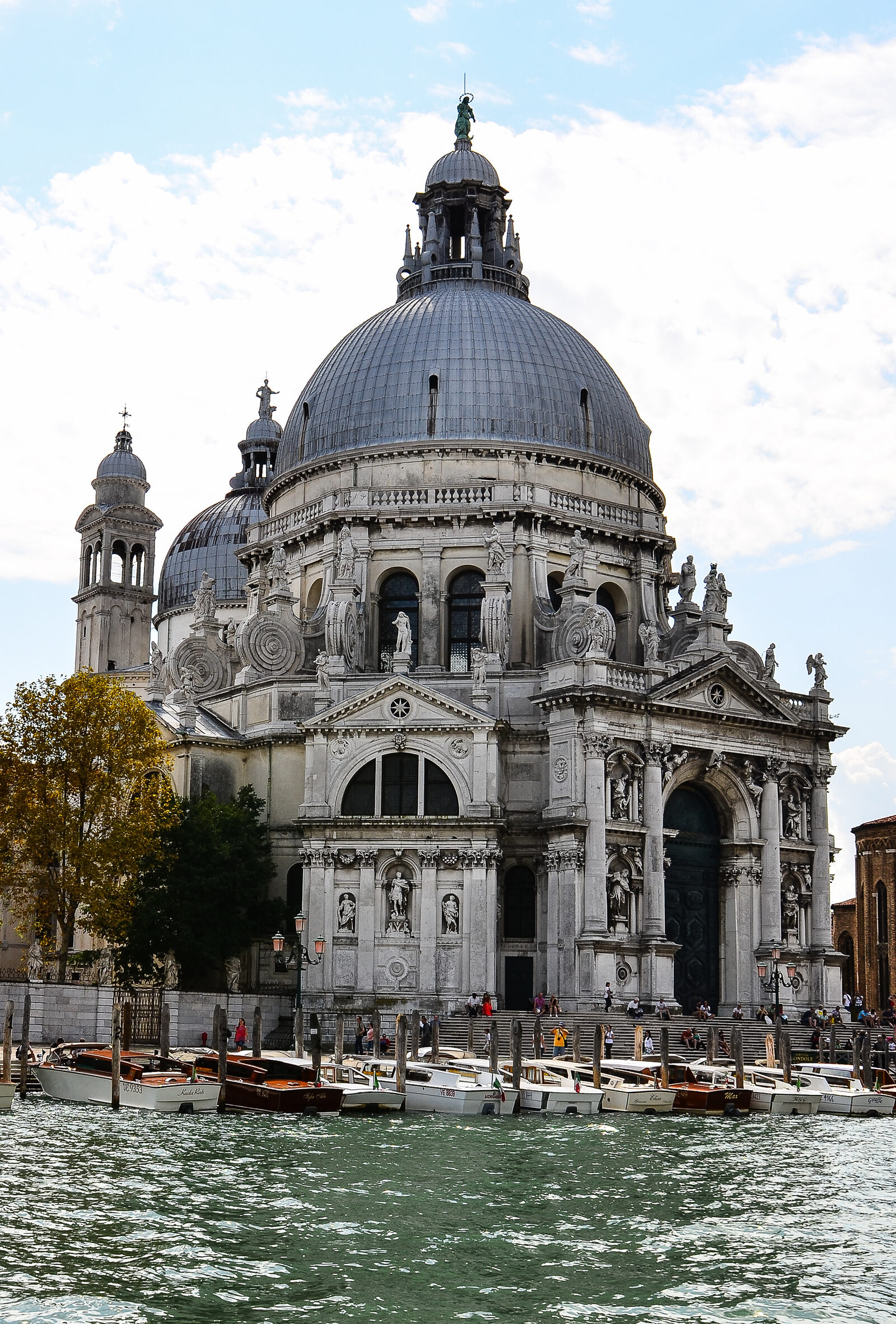
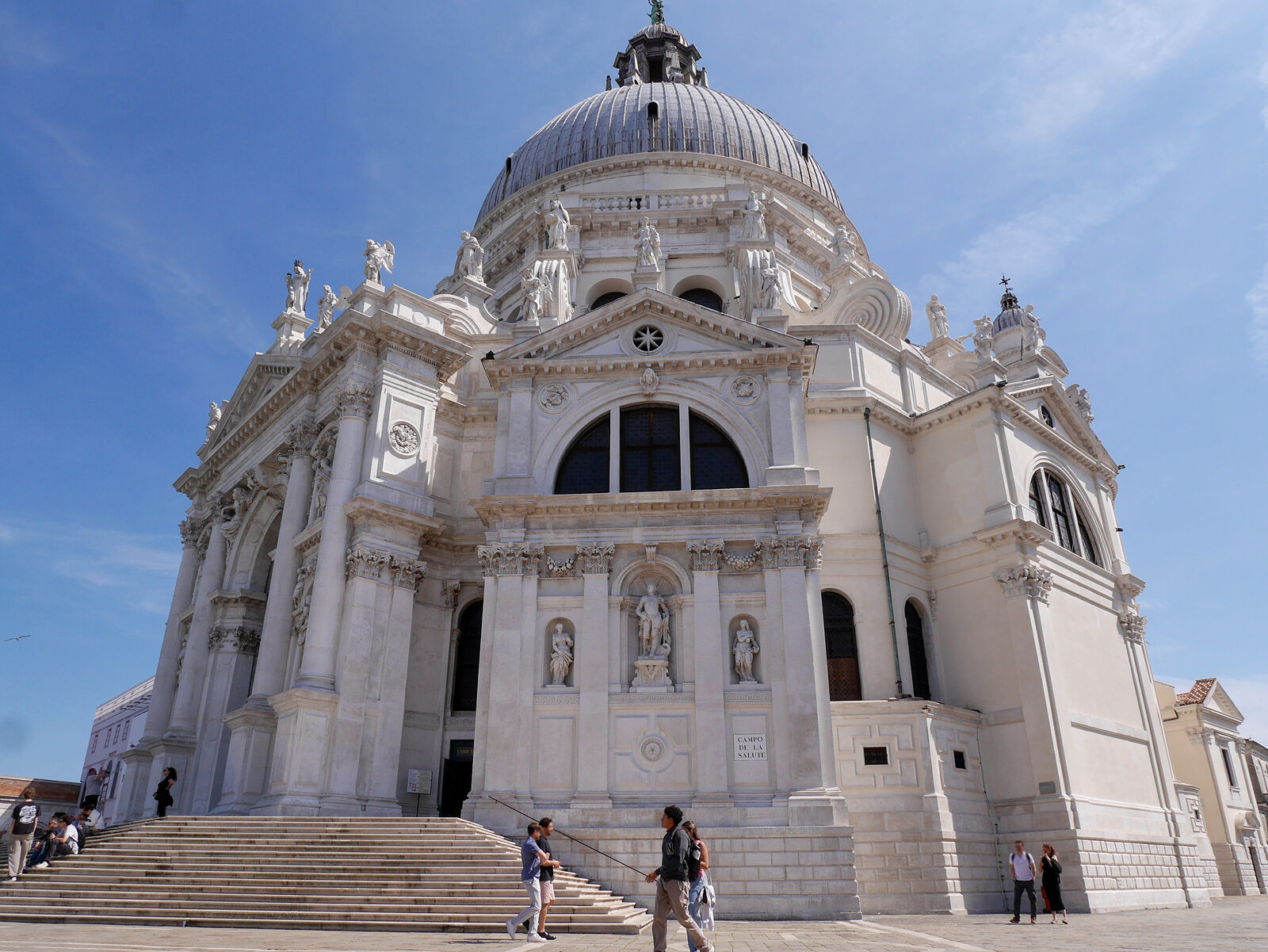
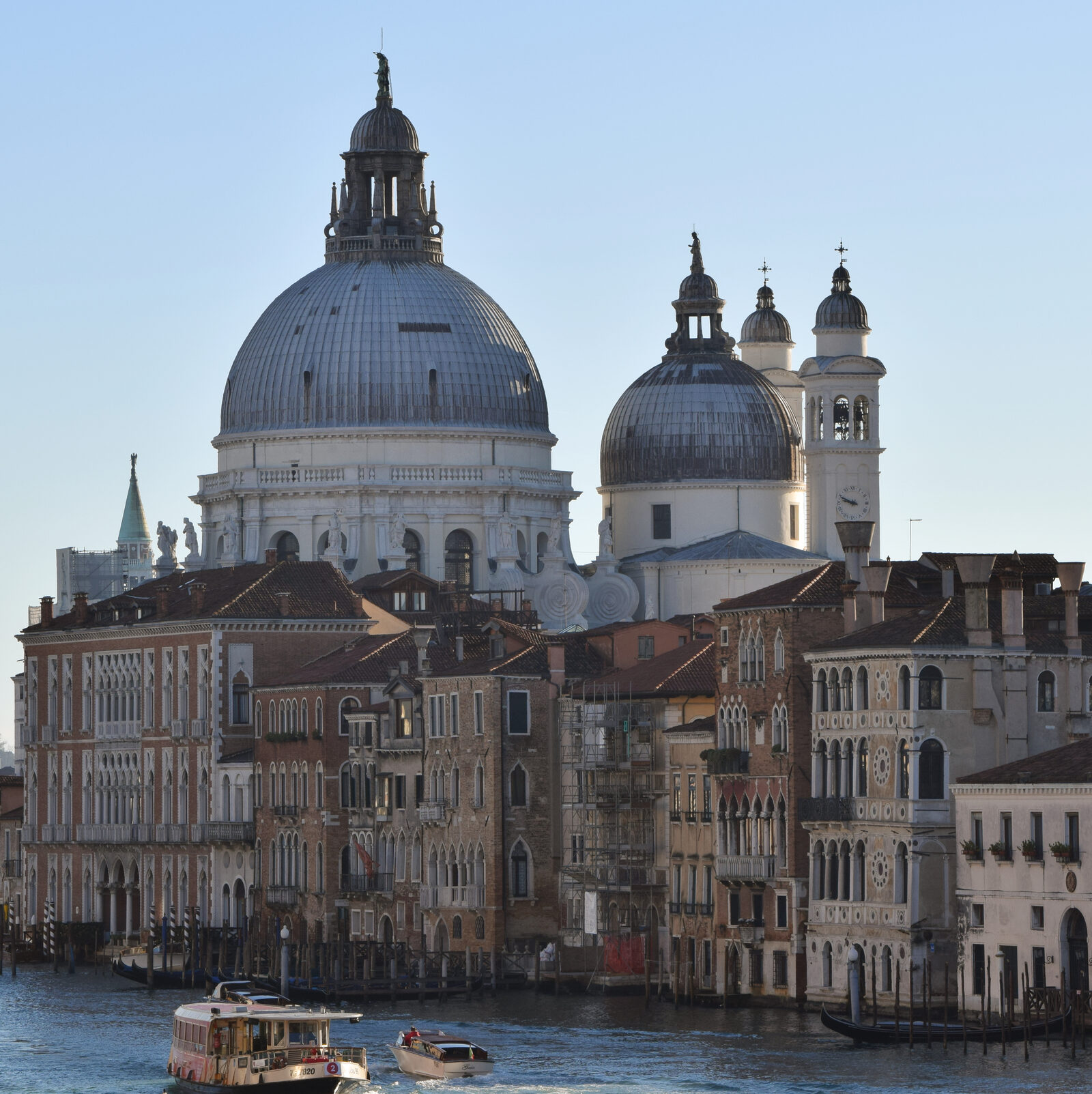
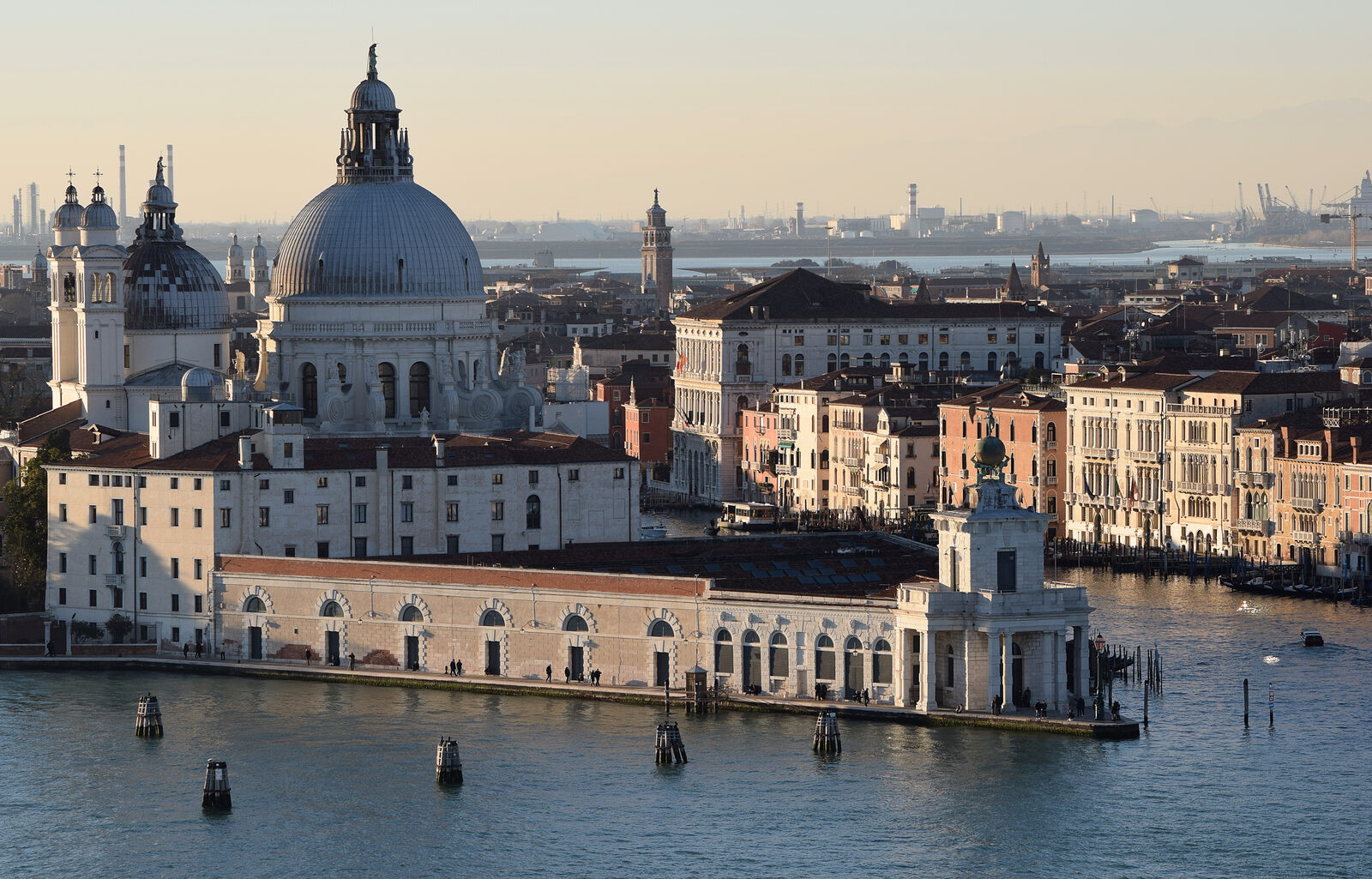
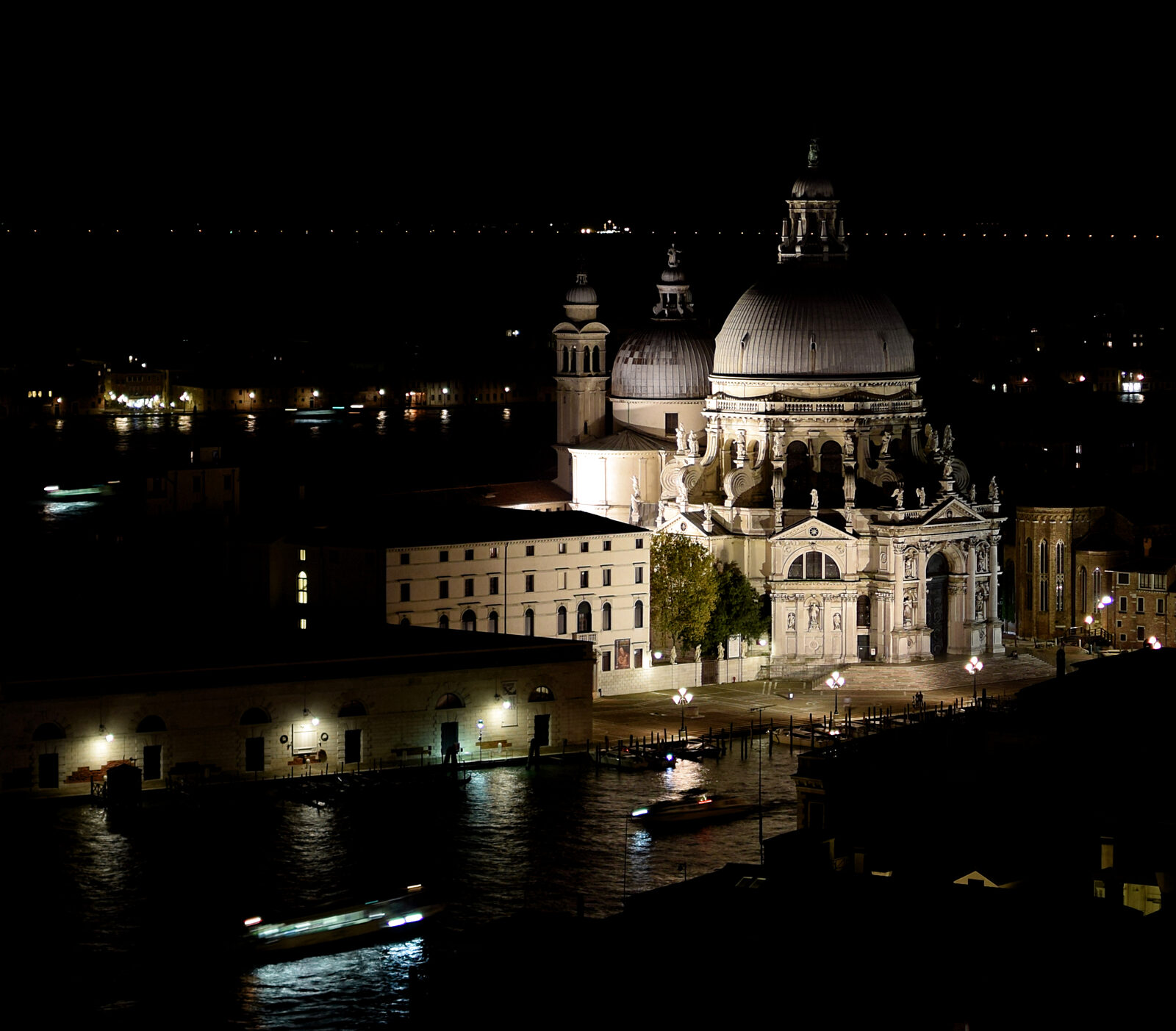
The church's unusual octagonal design is unlike anything else in Venice, but it is the colossal dome that dominates the skyline. It was designed to symbolize the Virgin's crown, with a lantern at its peak topped by a statue of the Virgin Mary. Her raised hand appears to bless the city below.
The view from the dome
From the small balcony at the base of the dome, take in breathtaking, sweeping views of Venice and the Grand Canal below.
More than 100 Statues
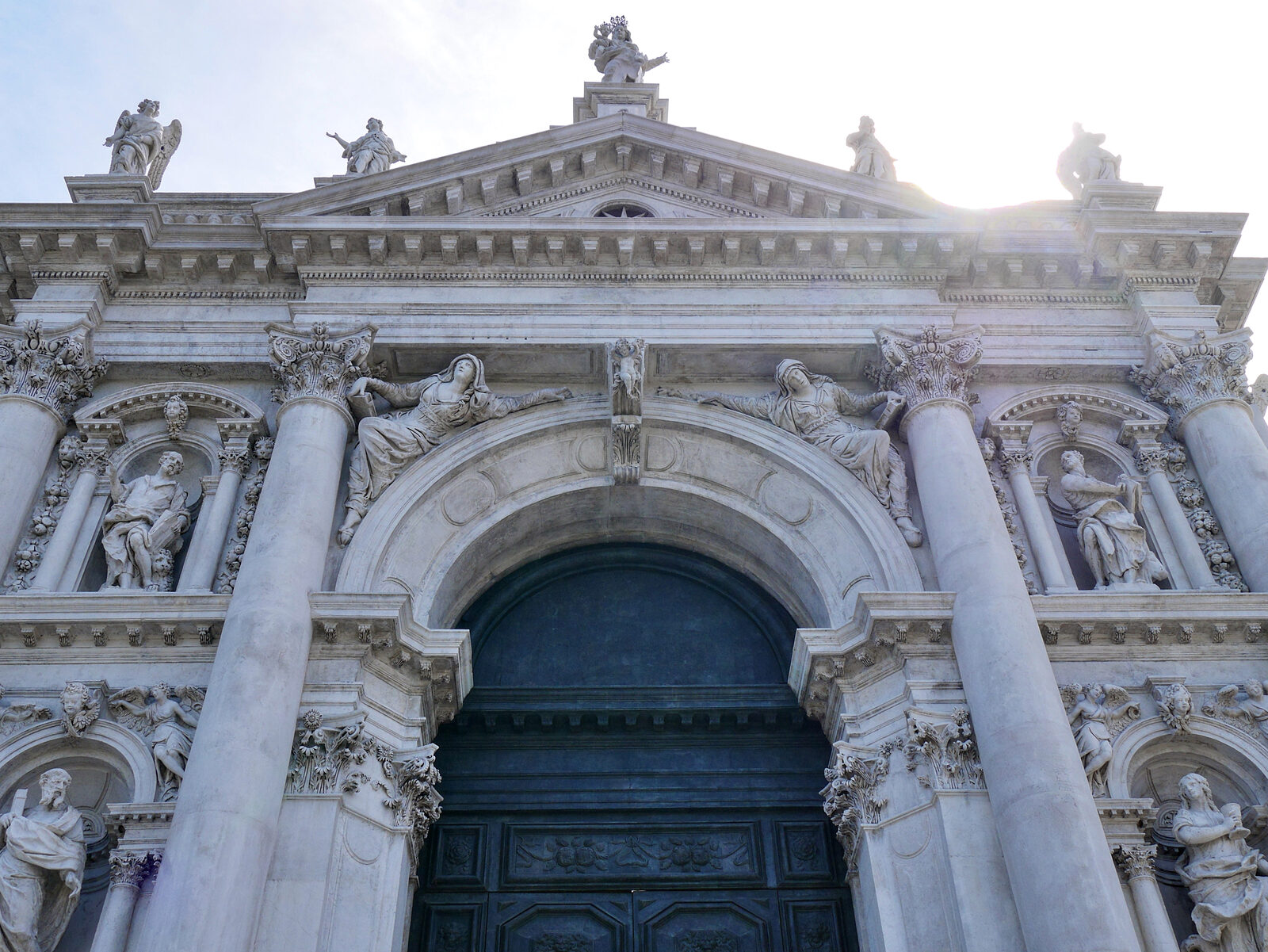
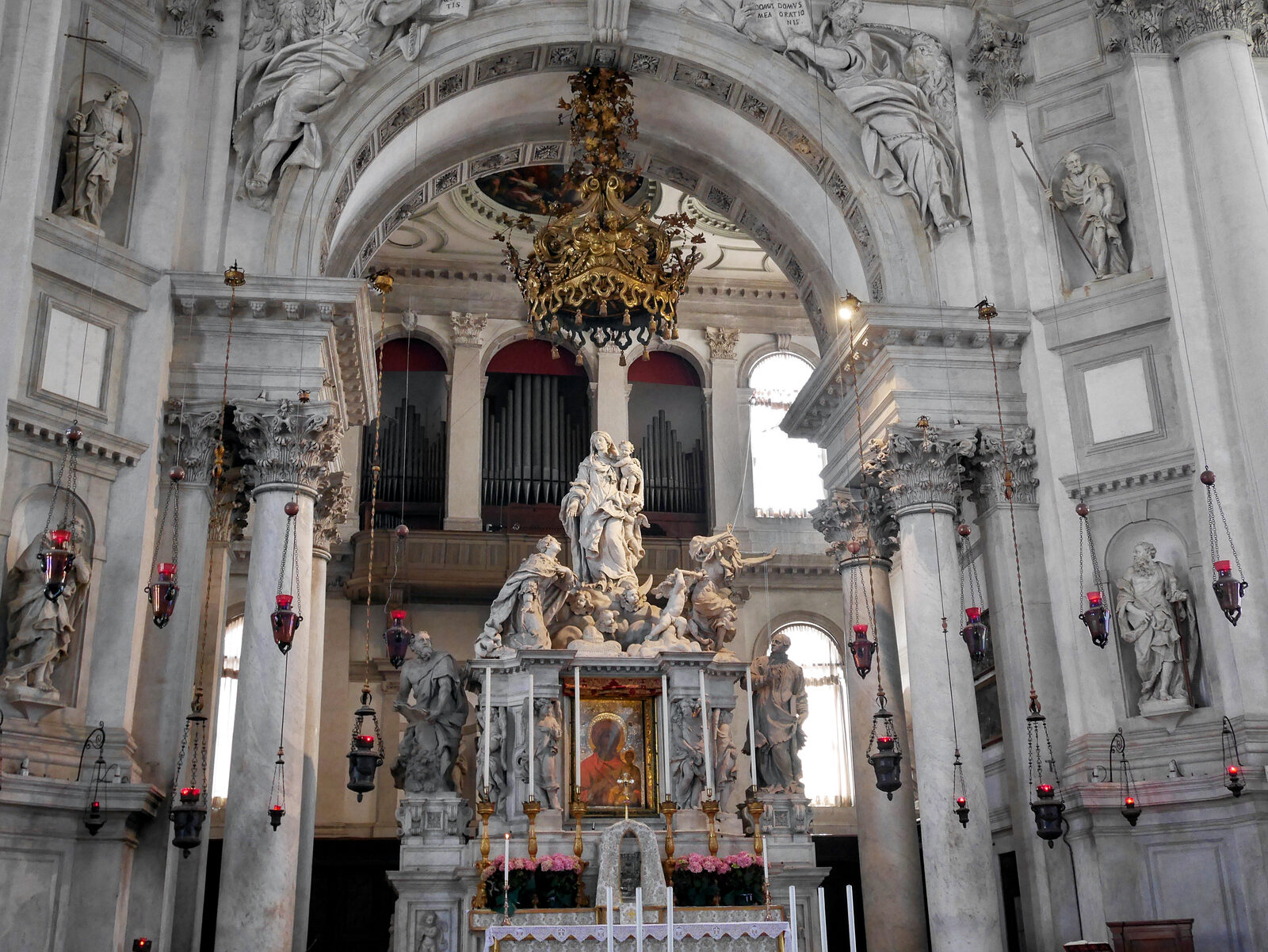
Inside and out, but especially along the exuberant facade, over a hundred statues of saints and angels stand watch over Venice.
The Sacristy
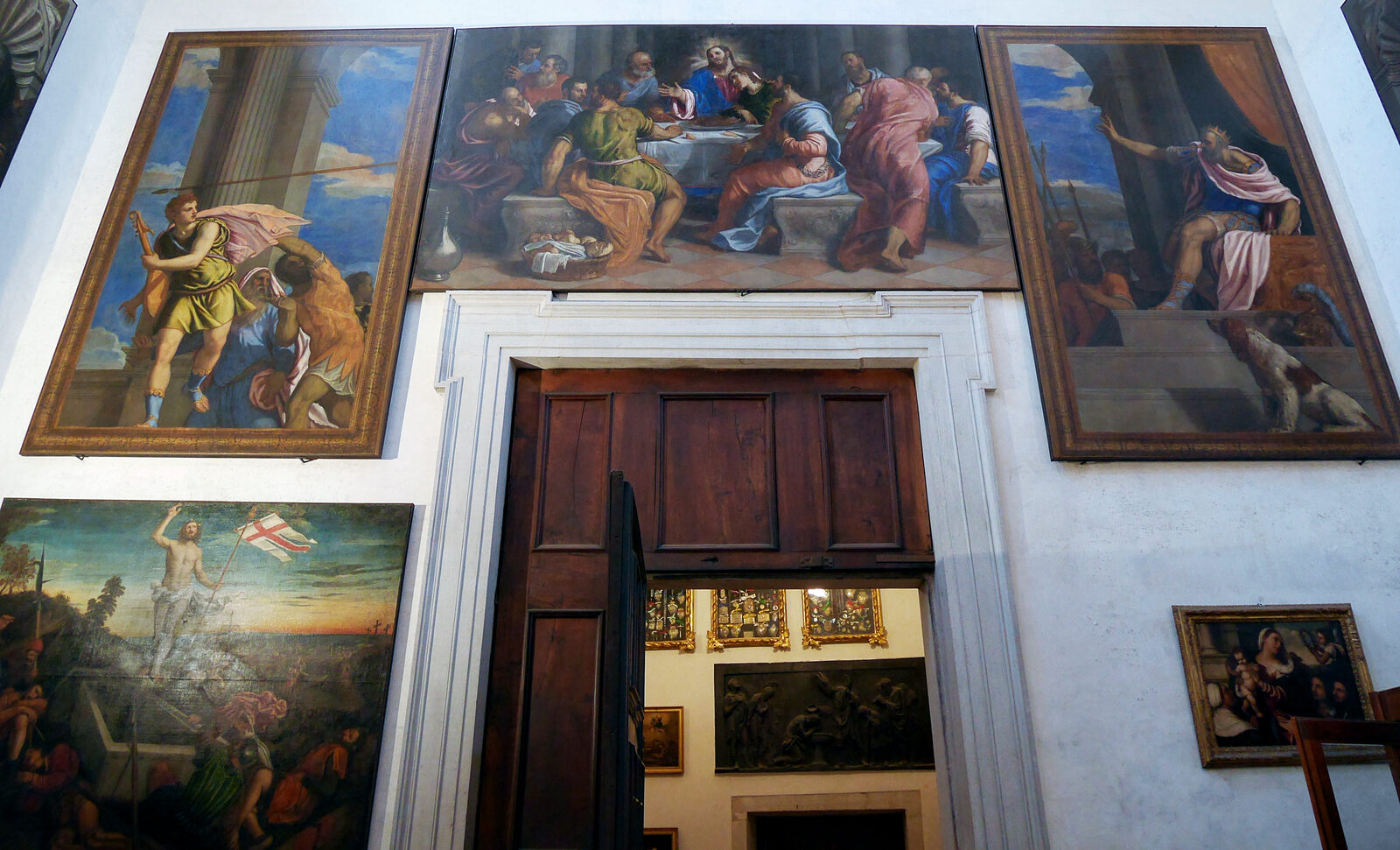
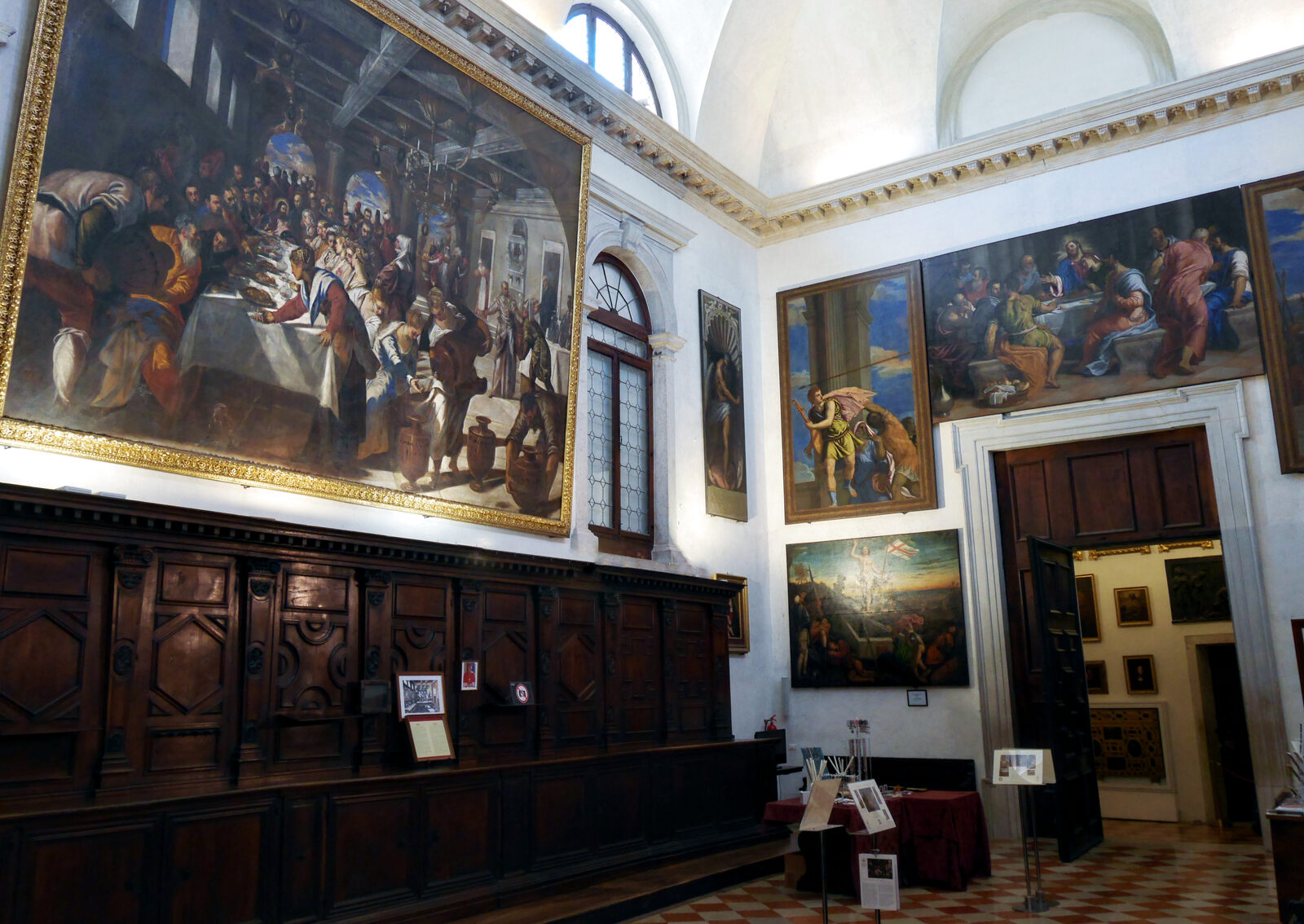
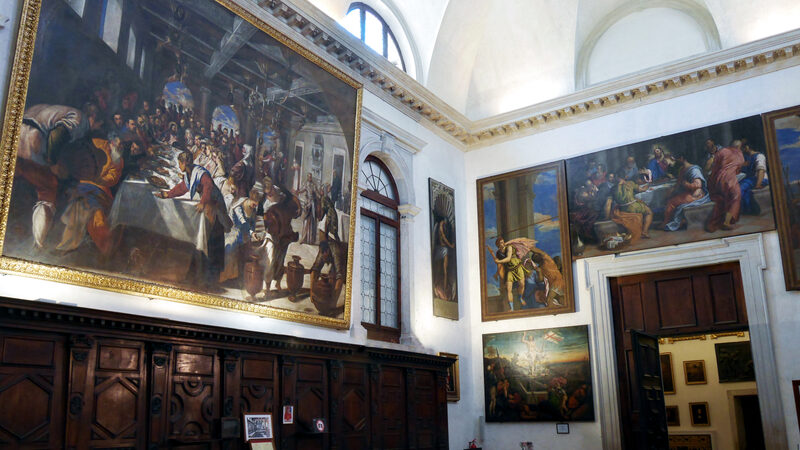
While the interior of the basilica may feel austere, the spacious sacristy adds warmth and richness, featuring numerous artworks, including 12 by Titian.
A Tintoretto masterpiece
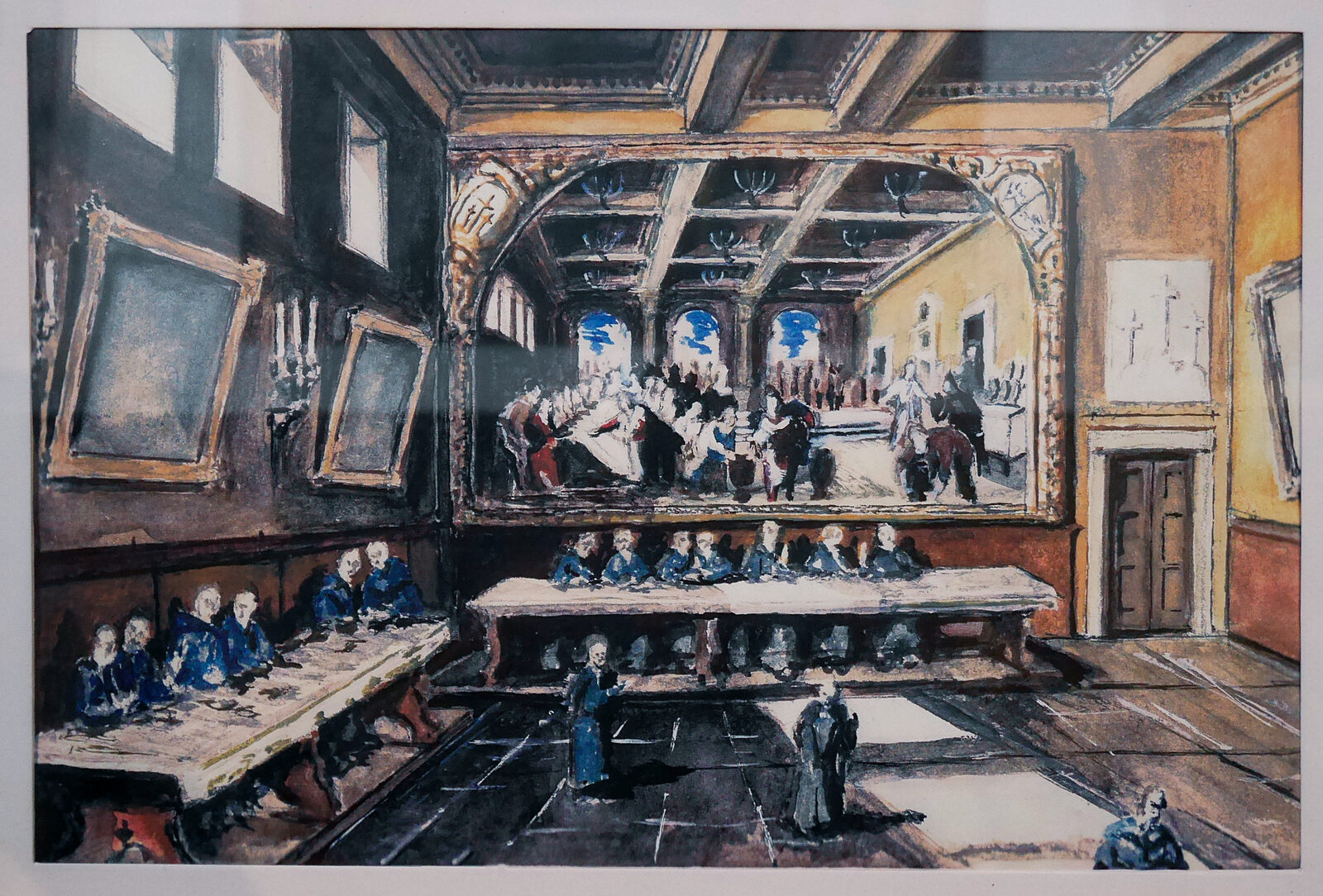
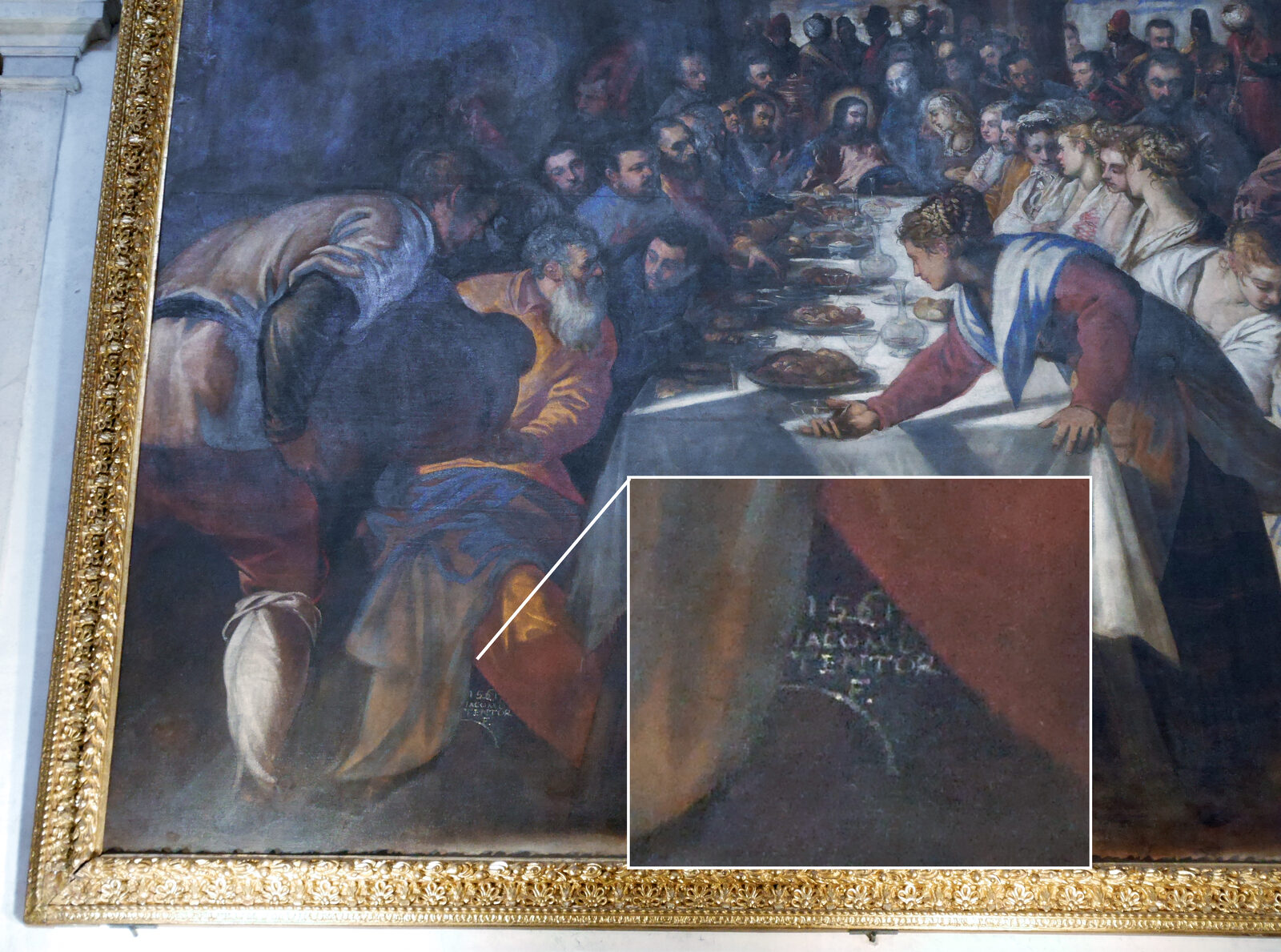
Also in the Sacristy is Tintoretto's monumental 'Wedding Feast at Cana' (1561), depicting a vibrant Venetian banquet. Look closely and you'll even spot a veiled self-portrait of the artist himself as the first guest on the left, with the date and his signature subtly inscribed at the hem of his robe.

Discover more about Santa Maria della Salute through 23 photos with explanations.
Open galleryAre the optional tickets worth it?
The church itself is free to visit, but two optional tickets give access to additional areas. Here's what you can experience with each one.
Admire art in the Sacristy
Accessing this somewhat hidden room behind the main altar is a small adventure in itself.
The entrance is through a door next to a side altar, followed by a narrow, curved corridor that follows the shape of the church.

When you finally reach the Sacristy, you'll immediately notice the striking contrast with the somewhat austere interior you've just left behind.
The room comes alive with rich colors and expressive forms, with paintings by Titian, Tintoretto, and other Venetian masters adding another layer of art to your visit.
Back to practical details: admission is €6, and tickets are also available online.
Keep in mind that you can visit the Sacristy at La Salute for free with a valid ticket for St. Mark's Basilica.
See Venice from high above
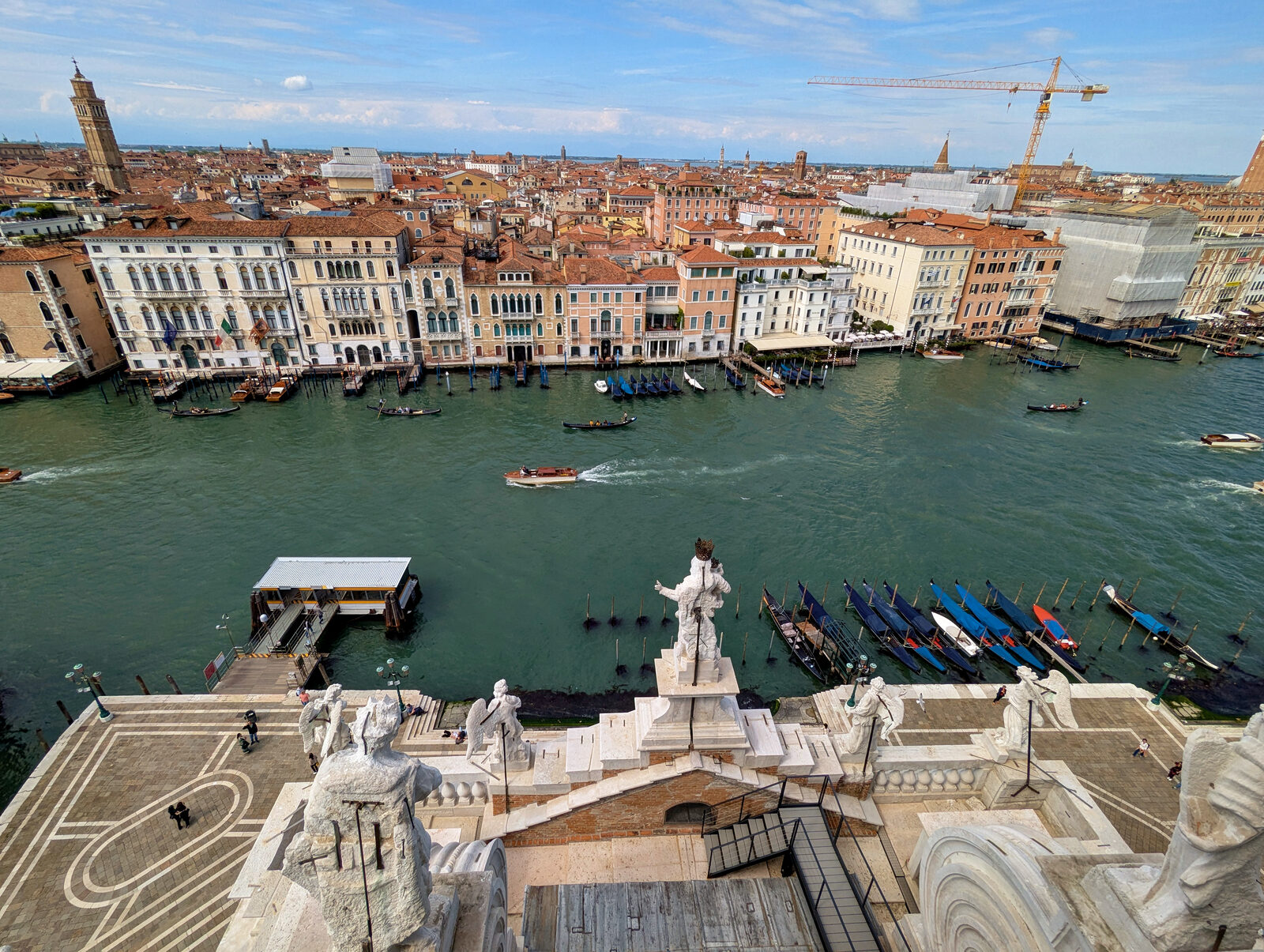
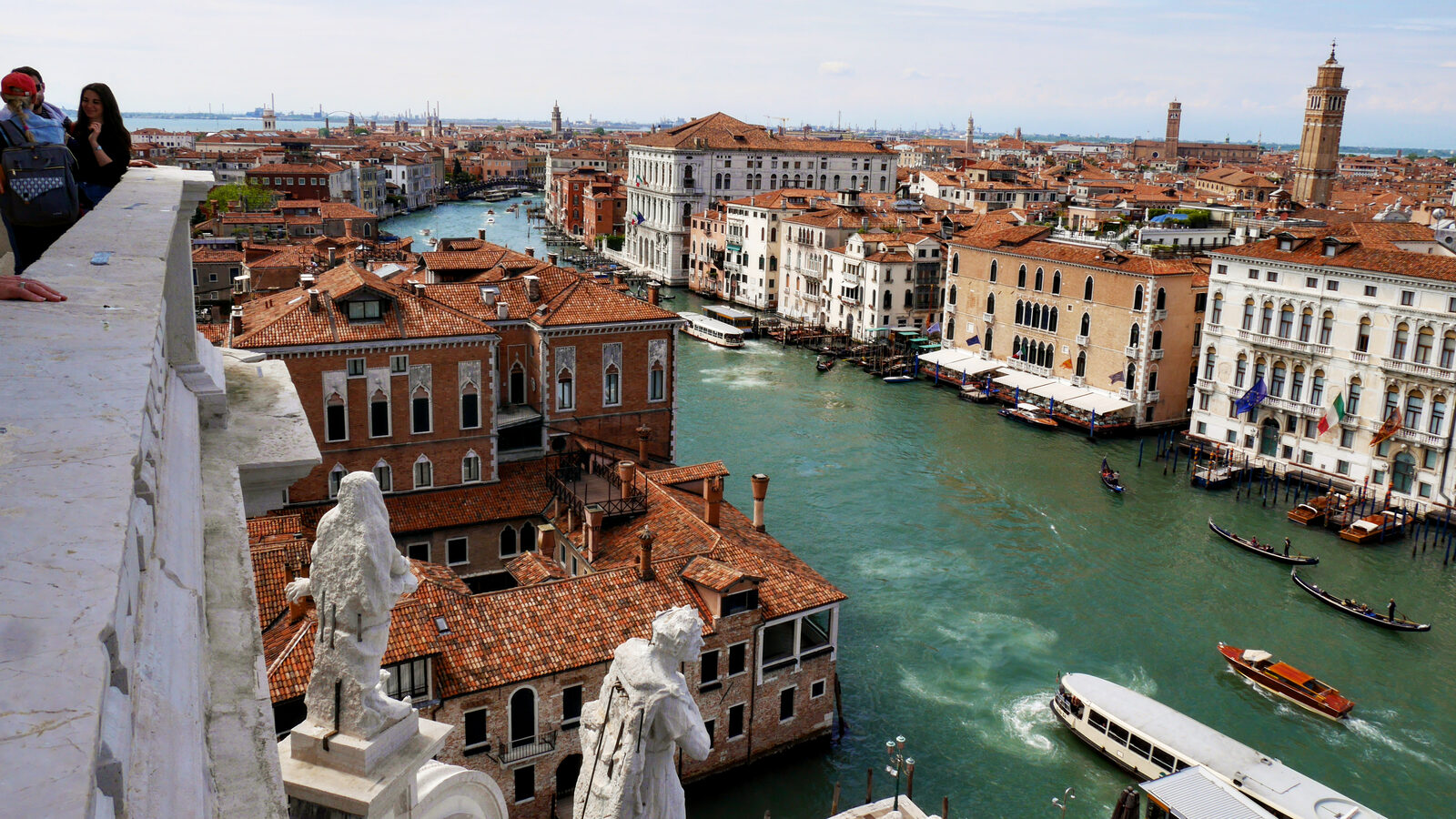
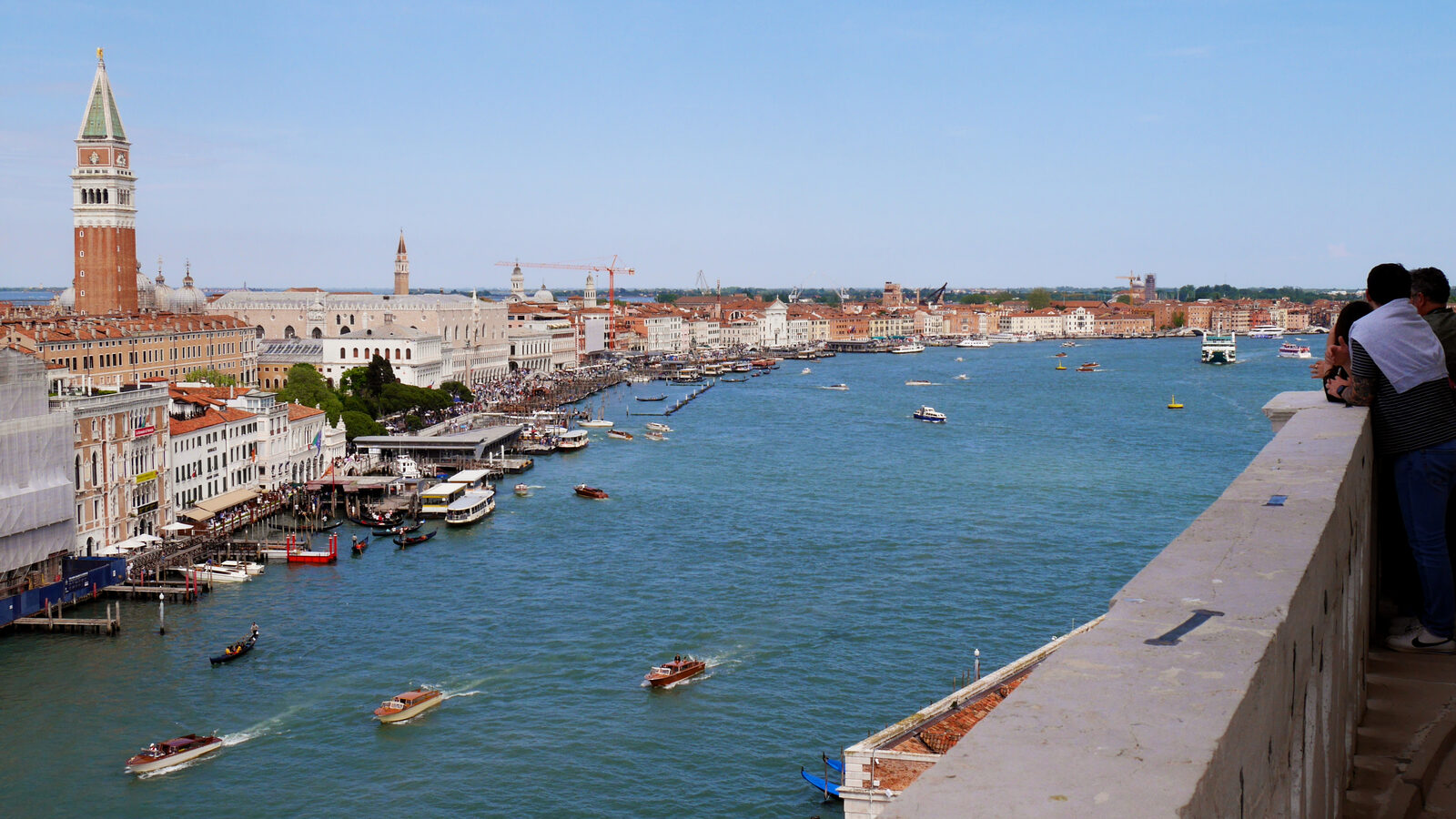
At the base of the basilica's giant dome, on the exterior, a small balcony offers sweeping views across Venice.
Of all the viewpoints we recommend in Venice, this is the highest one close to the Grand Canal.
And as you can imagine, being up here is quite something…
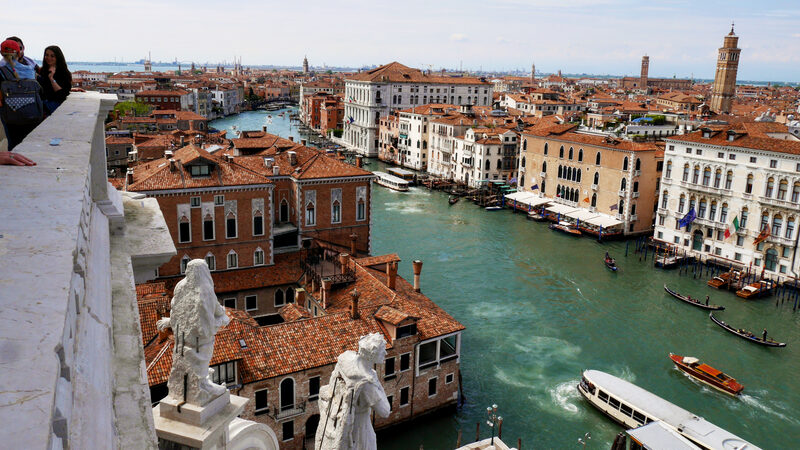
The views stretch uninterrupted from west to east, with Venice unfolding below you to the north.
Behind you, the giant dome blocks the view to the south, but on a hot day, this is actually an advantage: you can enjoy the shade.
Down at water level, the vessels on the canal look surprisingly tiny.

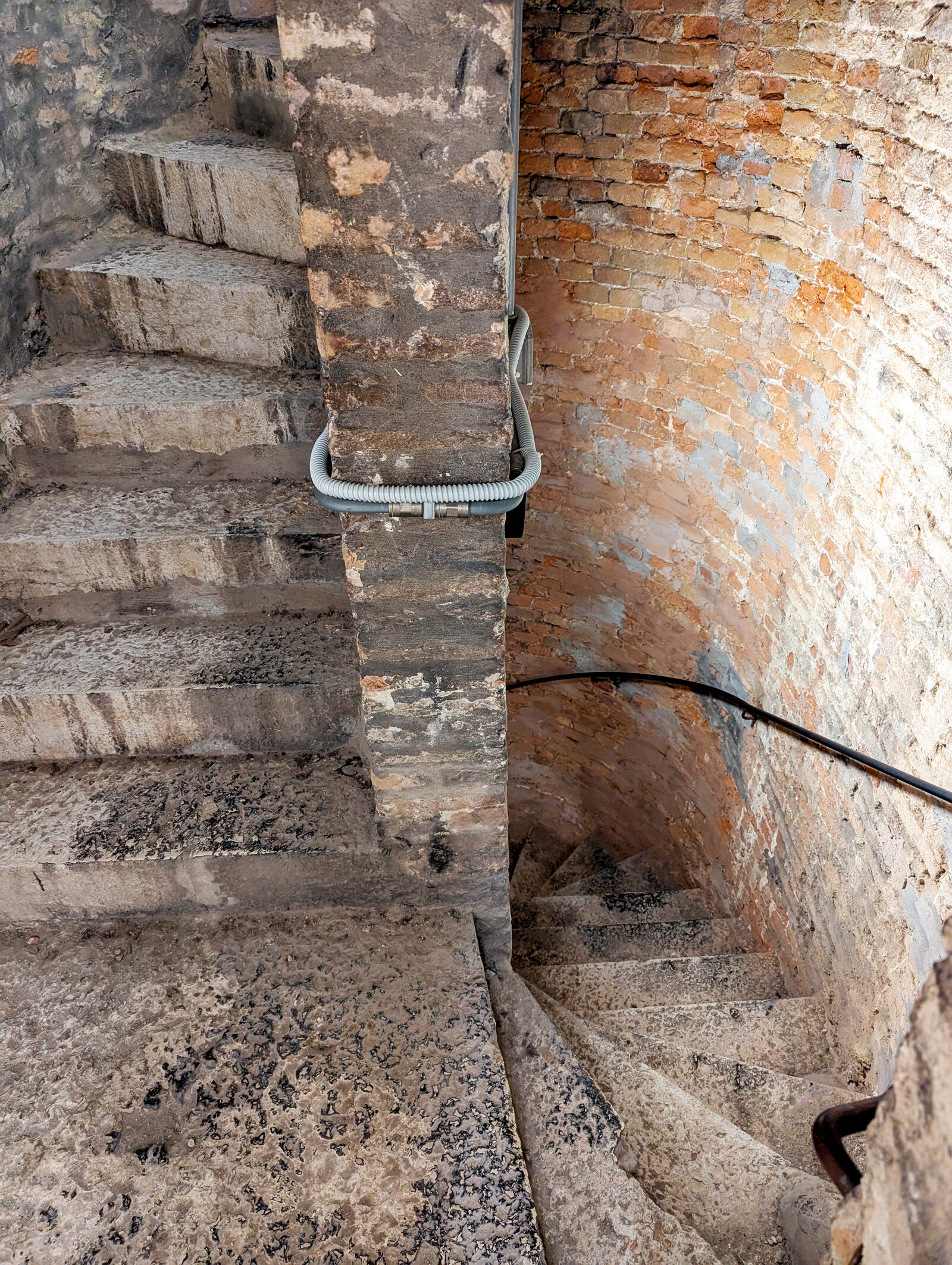
Regarding practical details, the climb is indeed a bit of an adventure: 150 narrow steps with no elevator. Given the climb, this experience is not recommended for those with heart conditions, claustrophobia, vertigo, or during pregnancy.
Visits are guided, start every 30 minutes, and allow about 20 minutes on the balcony.
Admission is €8, payable by cash or card, and you can even book your timeslot online at no extra cost.
How everything is connected
As you explore, it's always fascinating to discover the connections between different parts and events of Venice, and this place is no exception.
Venice's votive churches
The bubonic plague was devastating for Venice.
The last great wave came in 1630–1631 and killed nearly half of the city's population.
As it had done during previous outbreaks, Venice turned to faith, vowing to build a church dedicated to the Virgin Mary if the plague came to an end. When the epidemic finally subsided, Venice fulfilled its vow by building La Salute.
But La Salute was not the first church Venice built in gratitude after the plague. Four other votive churches predate it, each a response to an earlier outbreak.
And only one of them holds the relics of the city's legendary protector against the disease.
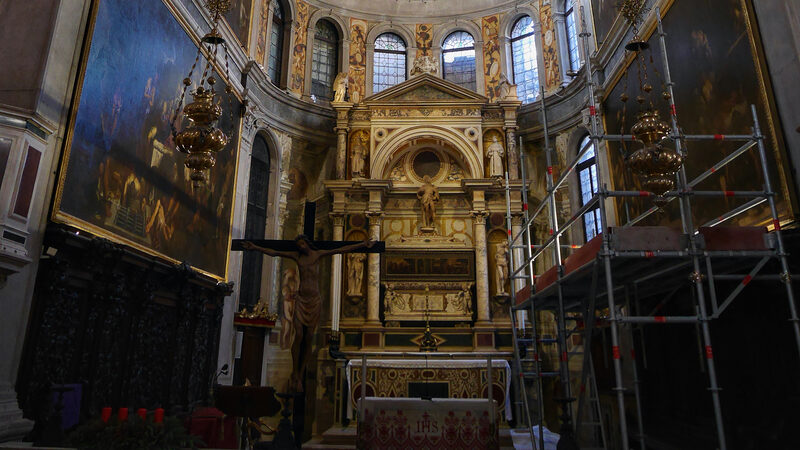
At the church of San Rocco, Saint Roch himself lies enshrined above the high altar, surrounded by Tintoretto's powerful scenes from the saint's life and miracles.
The interior of the church is sure to impress, and the paintings offer a glimpse of Tintoretto's bold brushwork before you encounter his abundance of masterpieces at the adjacent Scuola Grande di San Rocco.
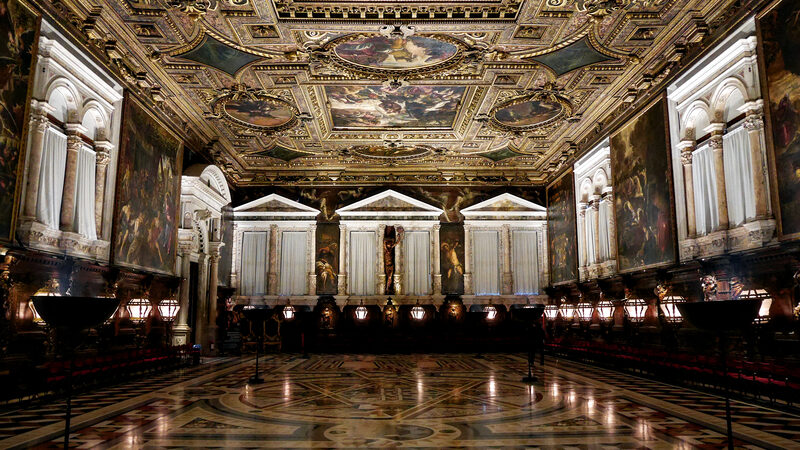
This was the wealthiest of the 7 Venetian Scuole Grandi and is perhaps the best known and most visited today.
Its spectacular Chapter Hall, adorned with no fewer than 33 paintings, can easily stand alongside the most magnificent rooms of the Doge's Palace.
Following Titian
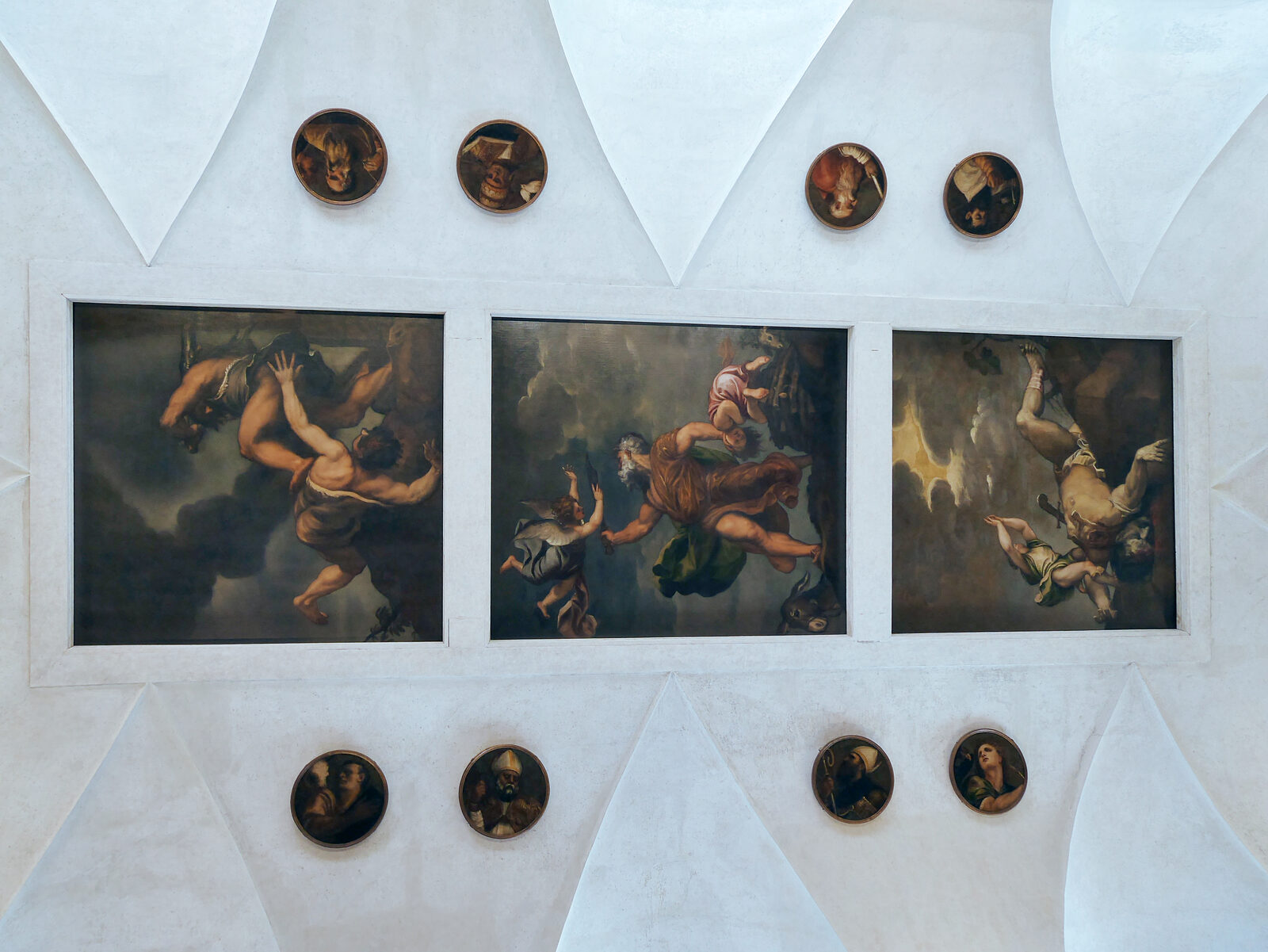
The Sacristy ceiling is Titian’s artistic contribution to the Basilica of La Salute.
There, muscular, dramatically foreshortened figures are full of movement and emotion. These works reflect the powerful influence of Michelangelo, whom Titian deeply admired.
But Titian's legacy doesn't stop here. His masterpieces can be found across some of Venice's most iconic landmarks, including the Doge's Palace and the Frari Basilica.
Nearby La Salute, the best place to see more of the master's works is the Accademia Galleries.
The museum features several more of his masterpieces, including the grand 'Presentation of the Virgin in the Temple', still displayed in situ in the museum's Sala dell'Albergo.
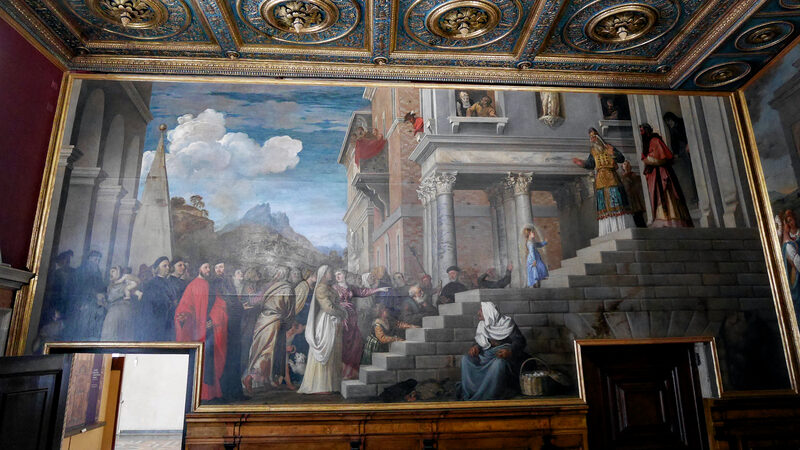
In fact, we highly recommend the galleries if you want to discover beautiful works by multiple Venetian masters.
The museum is home to some of the city's most important masterpieces, many of which once adorned the very landmarks around Venice that you may have already visited, or plan to visit.
More from La Salute's architect
One of the leading architects of his time, Baldassare Longhena also designed two splendid palaces: Ca' Rezzonico and Ca' Pesaro, both open to visitors who wish to marvel at their remarkable interiors.
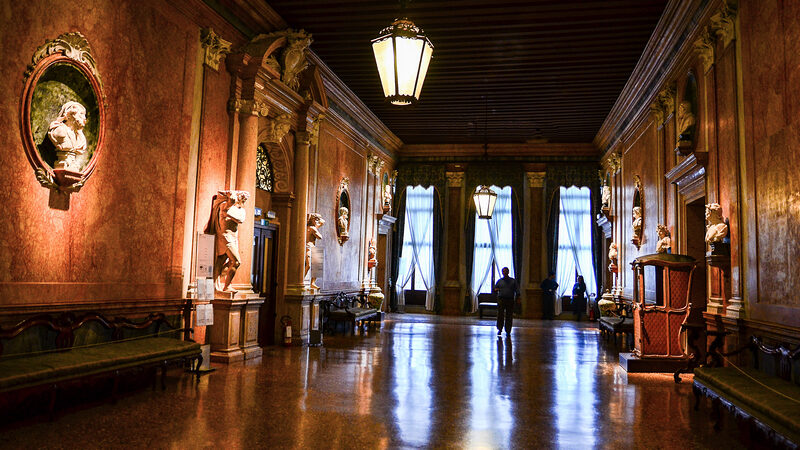
Both are part of the Civic Museums of Venice, a network of culturally significant sites across the city, including the Doge's Palace . They can all be conveniently visited with the Museum Pass.
Take the traghetto
You don't have to backtrack all the way to the Accademia Bridge to reach St. Mark's Square from La Salute.
Another fun option is to take the traghetto, the city's public gondola service.
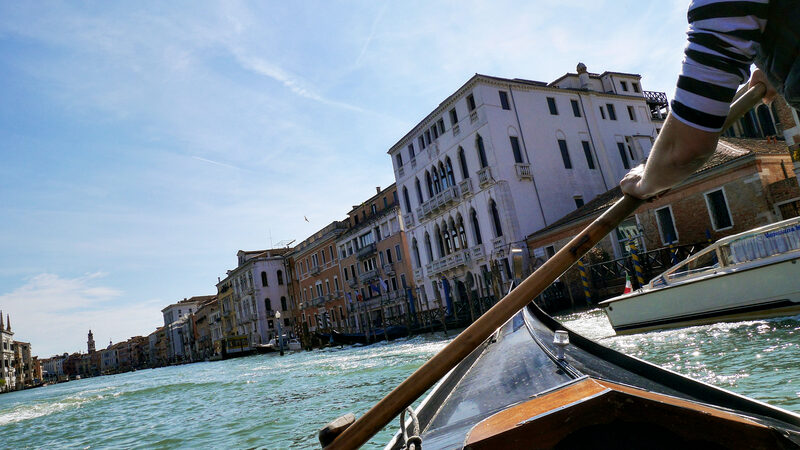
These larger traditional gondola ferries are used by Venetians to cross the Grand Canal where there are no nearby bridges.
At just €2, it's the cheapest gondola experience in Venice (but also the shortest).
You can stand (as is tradition) or sit during the brief crossing, sharing the ride with other passengers as you're rowed across the canal in just a few minutes.
Your questions, answered
Common questions about visiting Santa Maria della Salute, answered to help you plan your visit.
Is the basilica usually crowded?
Crowds here are generally lighter than at Venice's other famous attractions, though visitor numbers increase during peak tourist seasons. The exception is the annual Festa della Salute on 21 November, when the basilica becomes a major pilgrimage site and can be exceptionally busy.
Is there an ideal time to visit, and why?
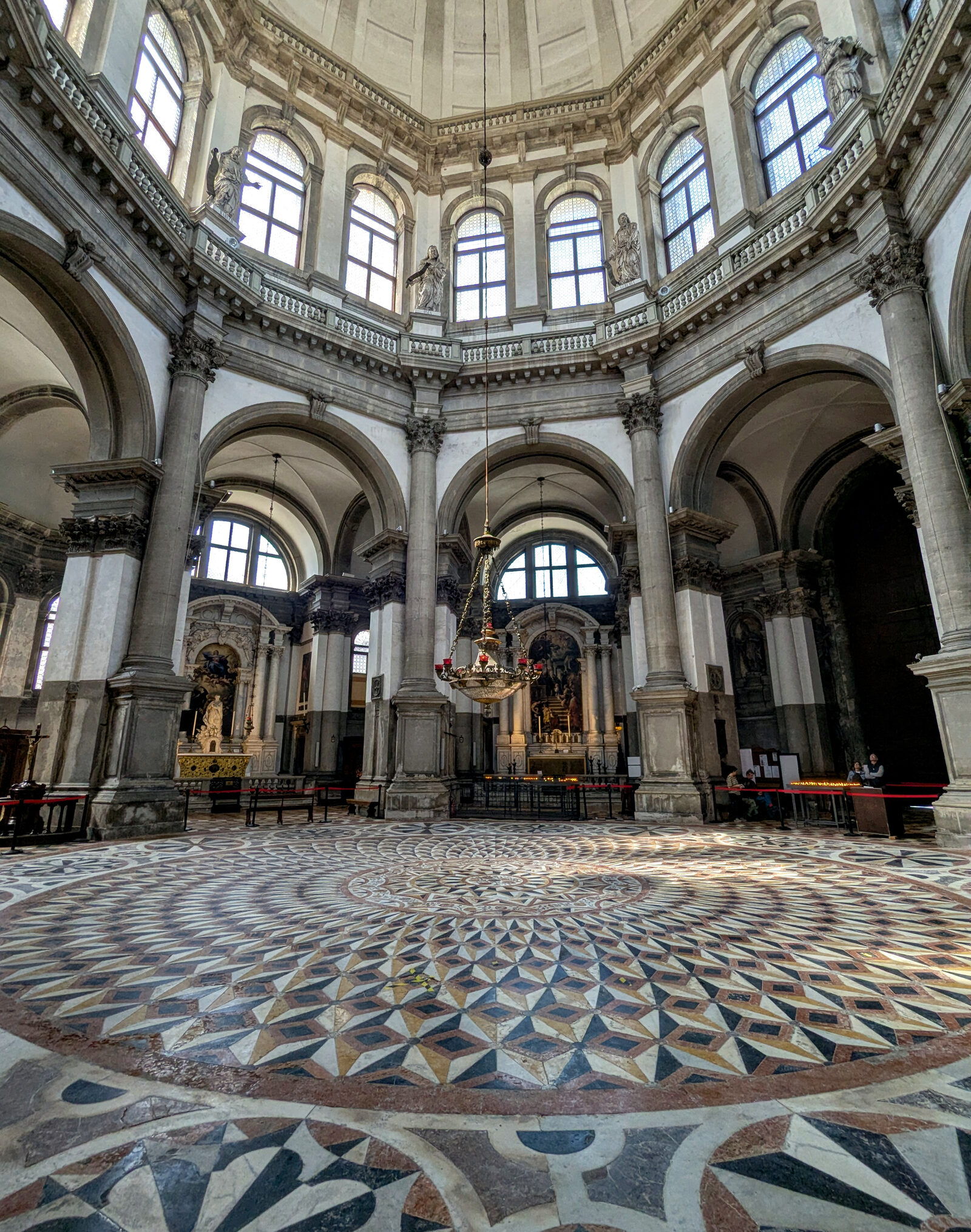
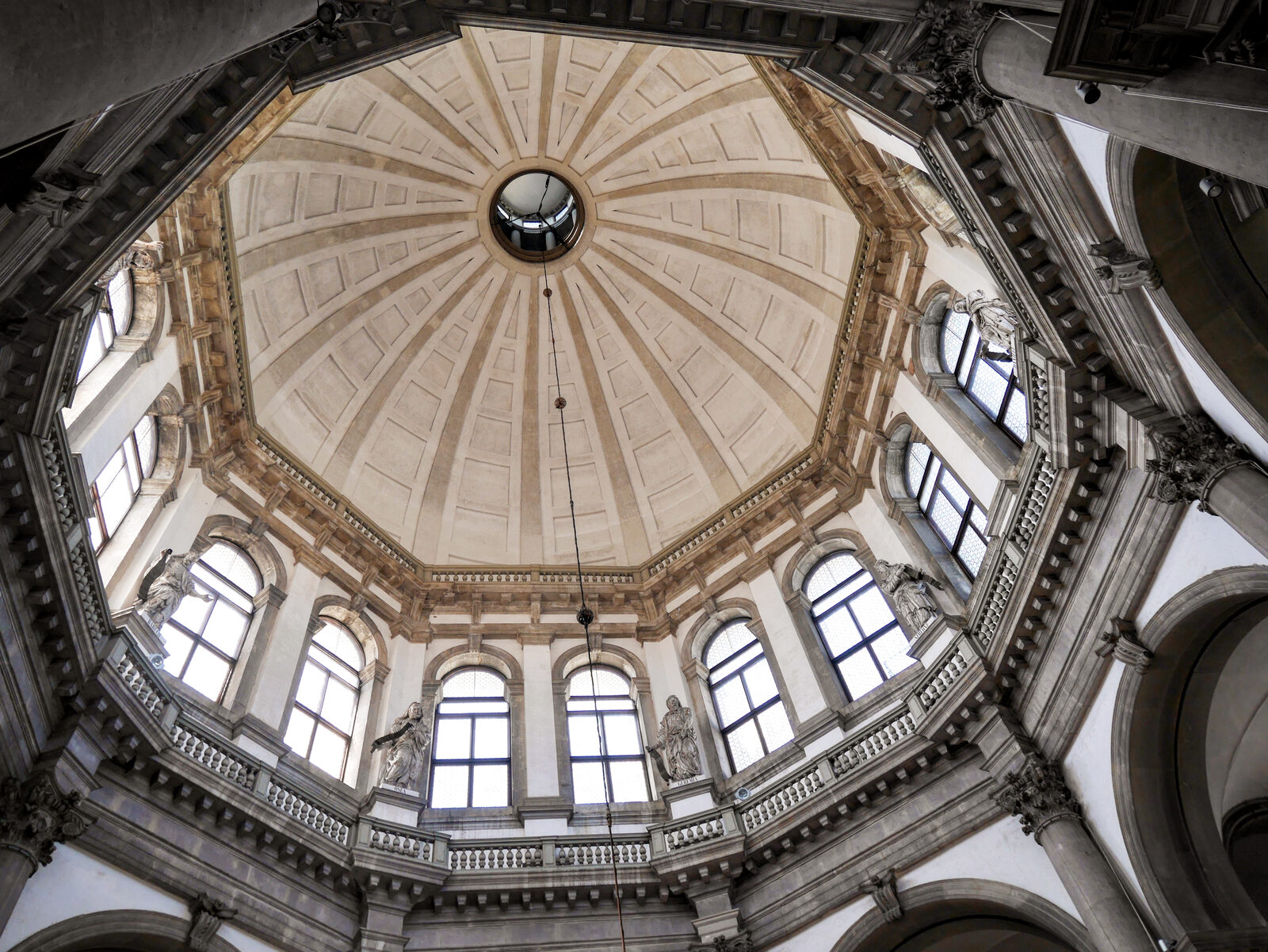
Visit around noon, when sunlight filtering through the dome's sixteen pale-glass windows beautifully illuminates the polychrome mosaic floors.
Where is the most iconic photo spot of La Salute?
The classic viewpoint is from Accademia Bridge, which offers a cinematic view of the basilica framed over the Grand Canal. It's one of the most photographed perspectives in Venice.
Are there more unique or less standard angles?
A good front-facing shot can be obtained from across the Grand Canal, for example from the wooden pontoon at the end of Calle del Traghetto Vecchio. From Giudecca, you can frame Santa Maria della Salute with Venice's skyline, and in even include the Campanile di San Marco for a layered view across the water. From Dorsoduro behind the basilica, you'll find quieter, more local compositions with narrow canals, laundry lines, and residential Venice instead of the classic postcard angle.
What to see nearby
These attractions are within walking distance of Santa Maria della Salute:
tops 5 mins
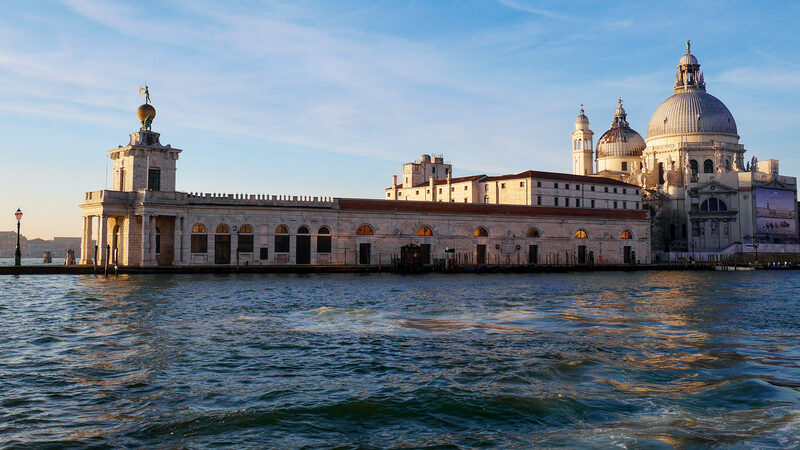
Punta della Dogana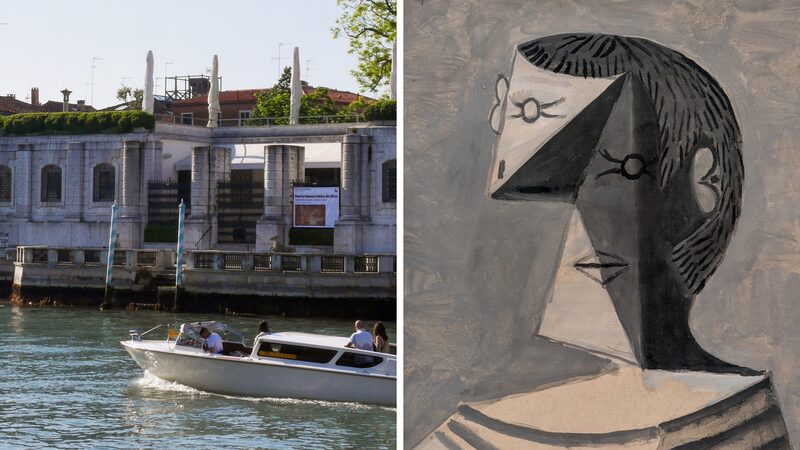
tops 5 mins
Peggy Guggenheim Collection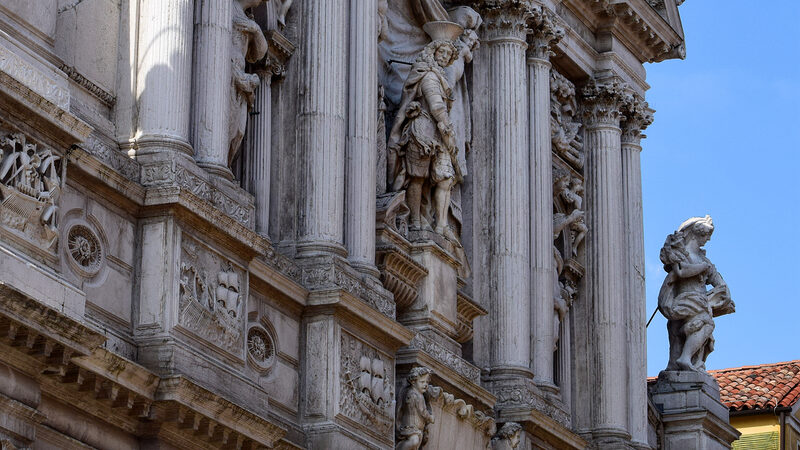
tops 5 mins
Santa Maria del Giglio
5-10 min away
San Moisè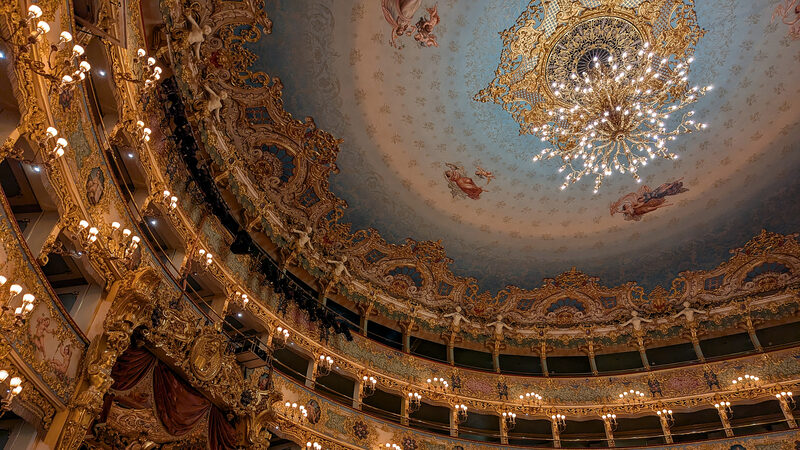
5-10 min away
Teatro La Fenice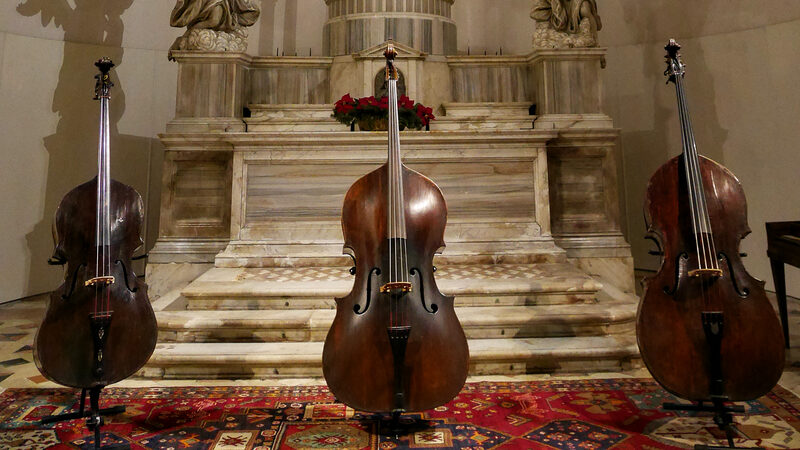
5-10 min away
Music Museum
5-10 min away
San VidalMore places like this
Inspired by Santa Maria della Salute? Discover additional vantage points for views over Venice:
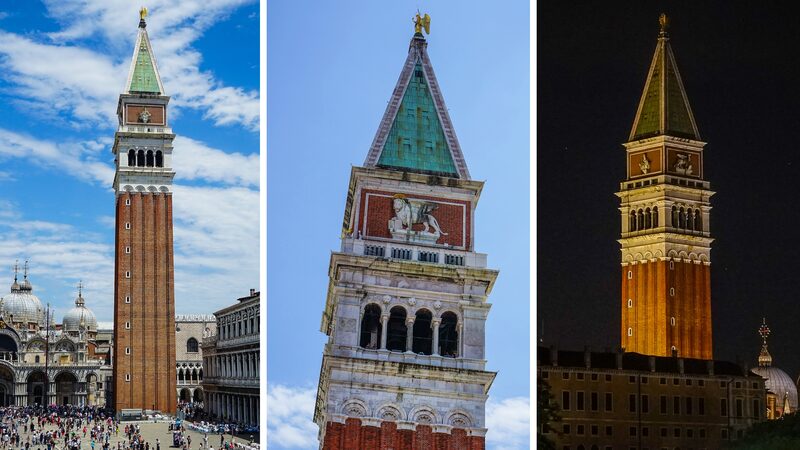
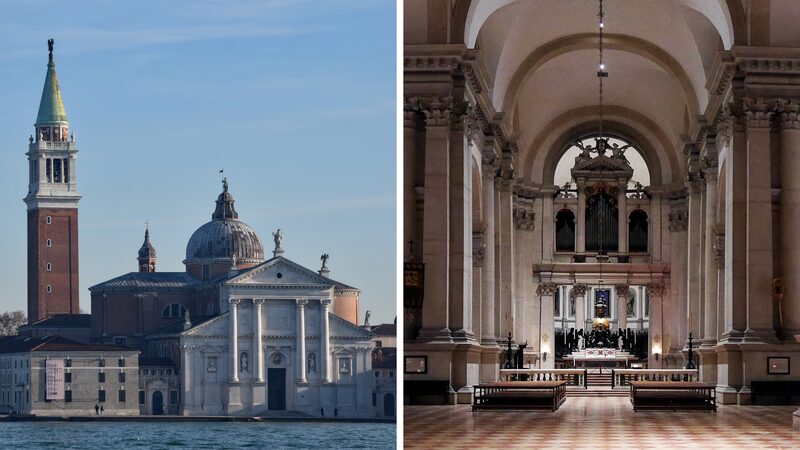
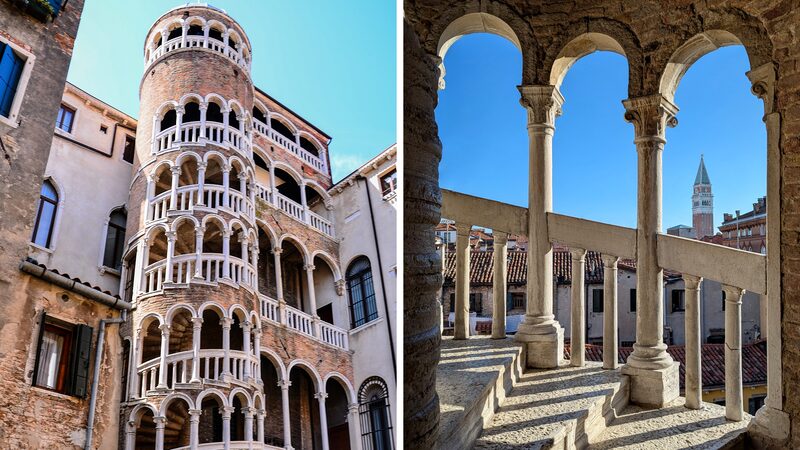
And more of the iconic sights found on every Venice must-see list: